Adelisa Selimbašić
Where we become each other
April 25 – June 21, 2026
organized by Rebis Rebis
(Delfina Pattacini & Gaddo Amunni)
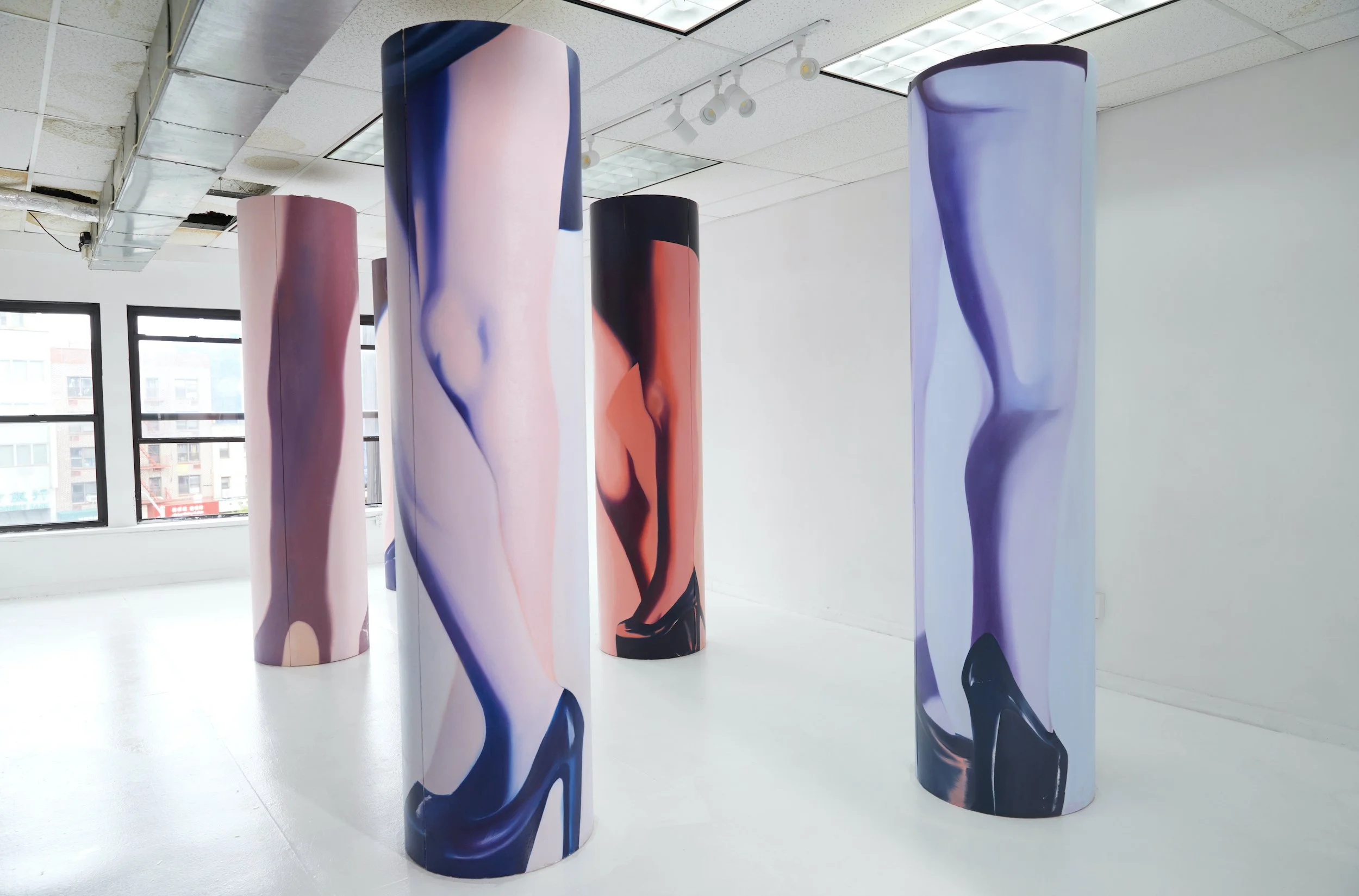
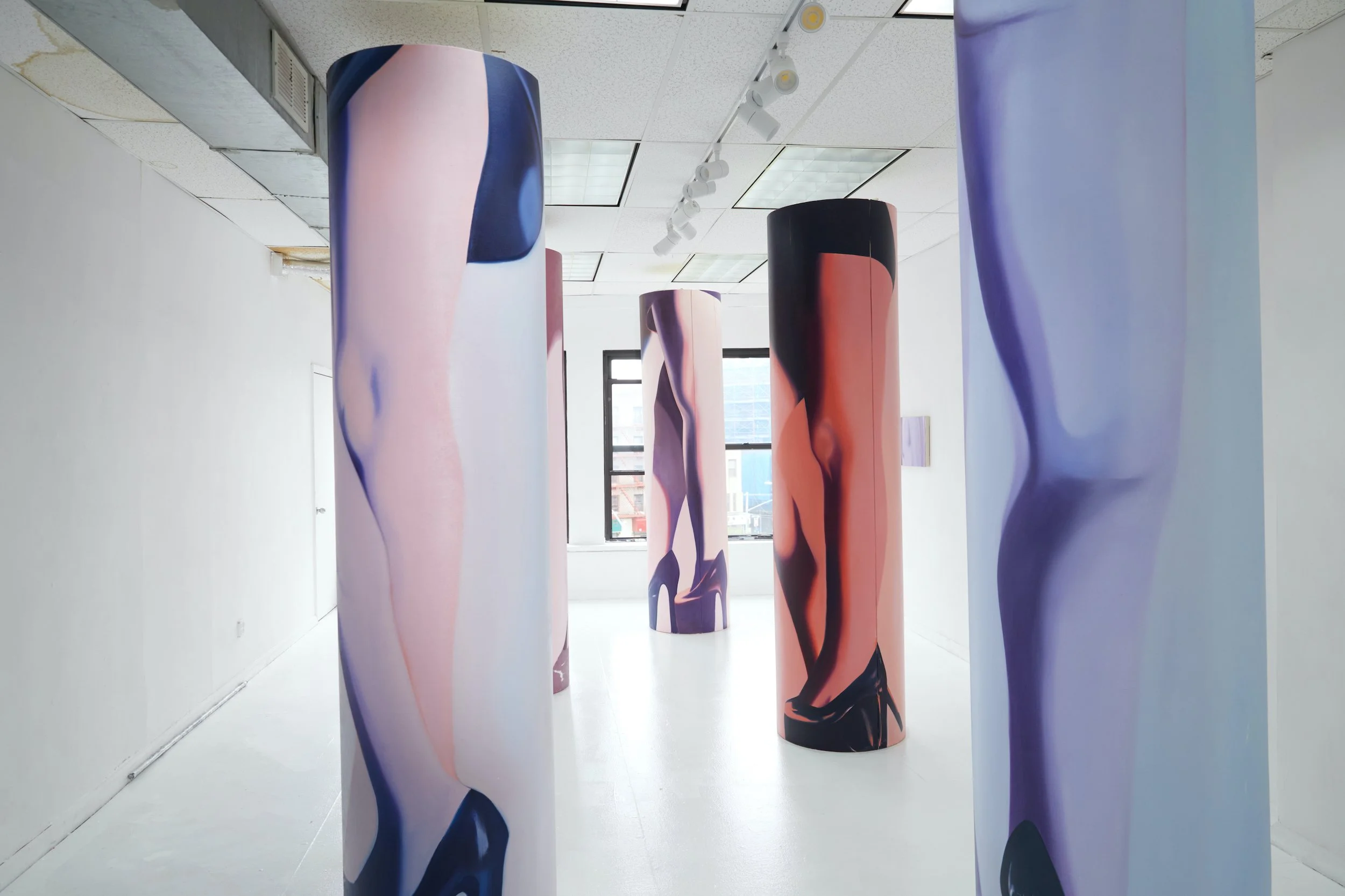
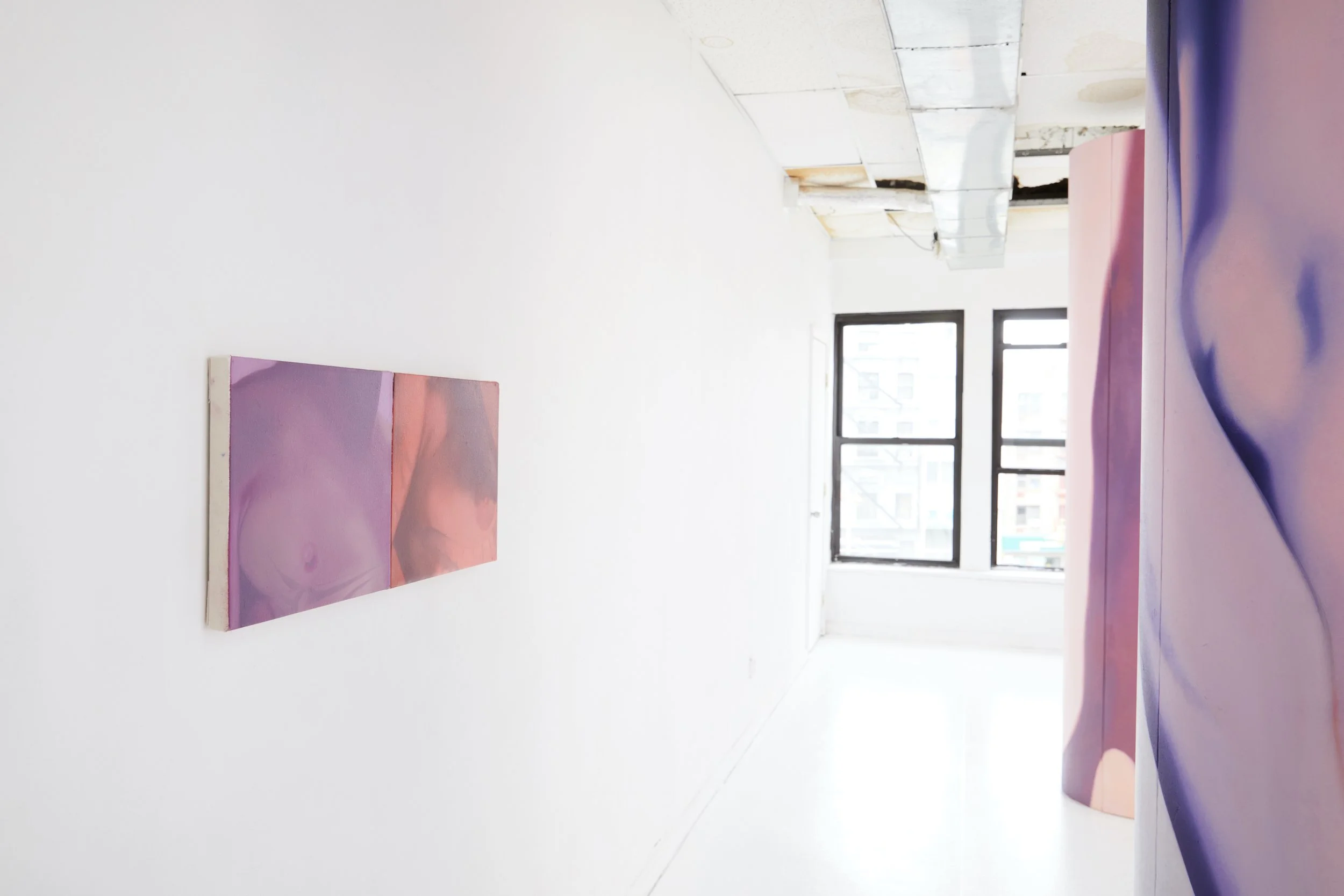
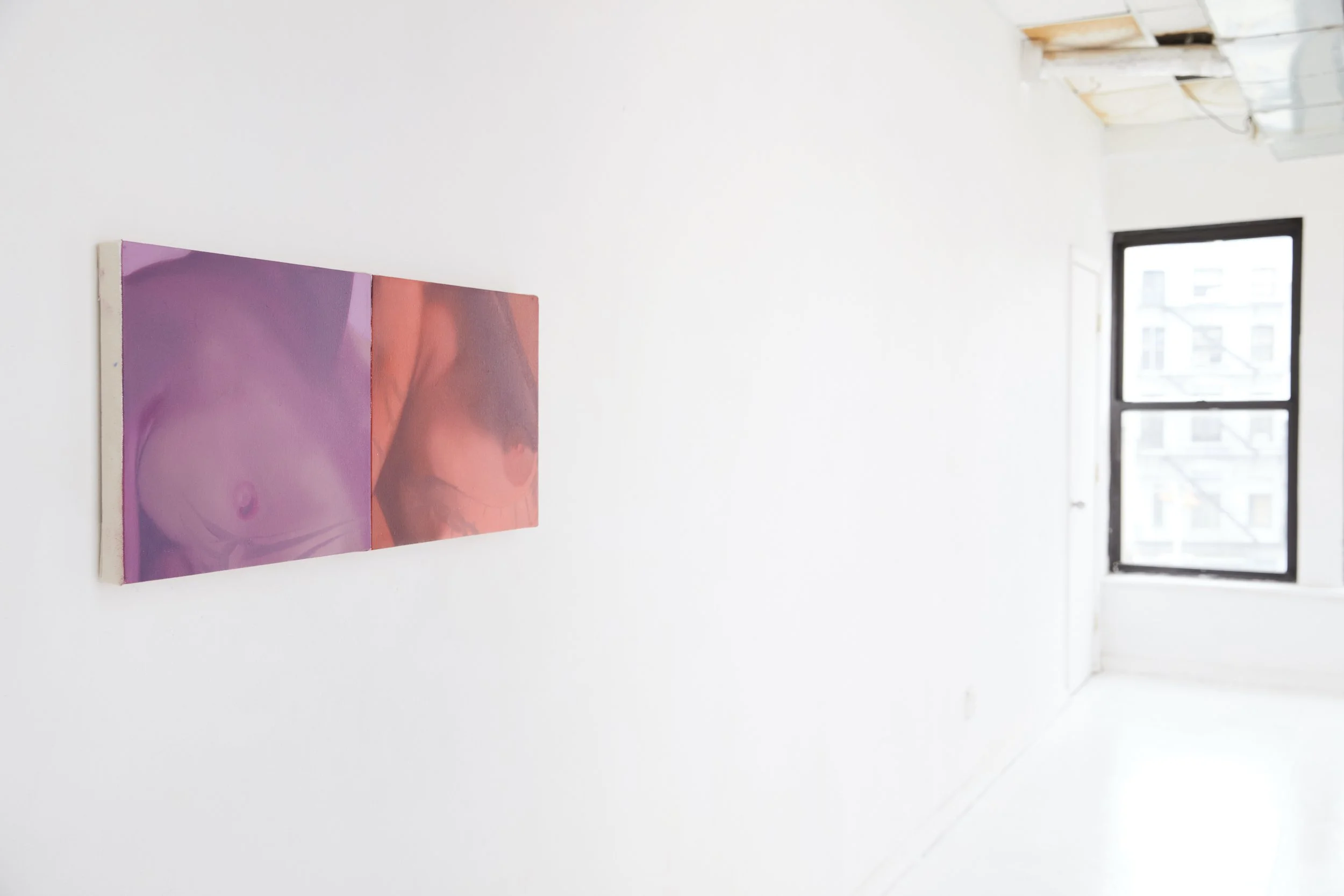
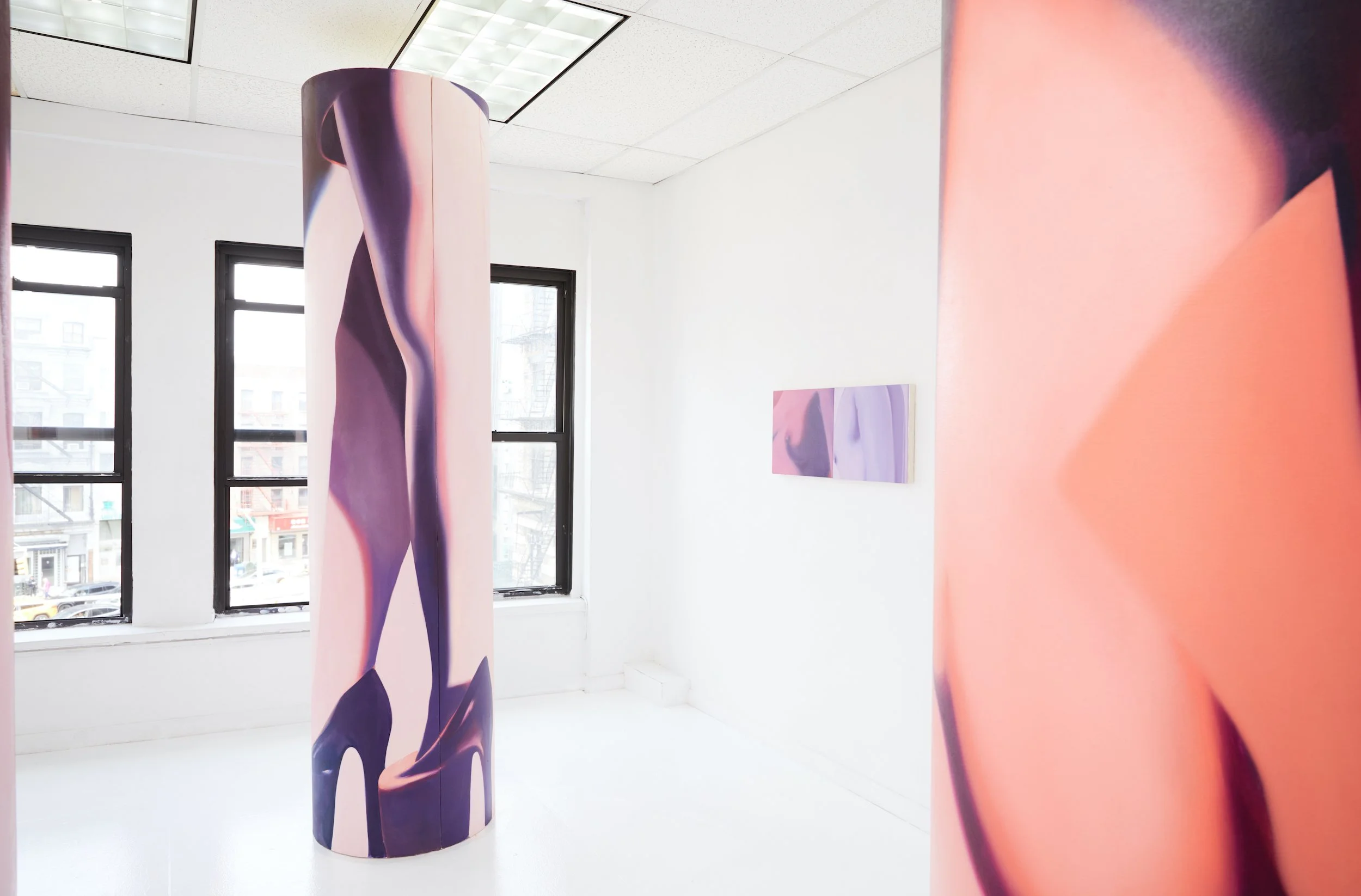
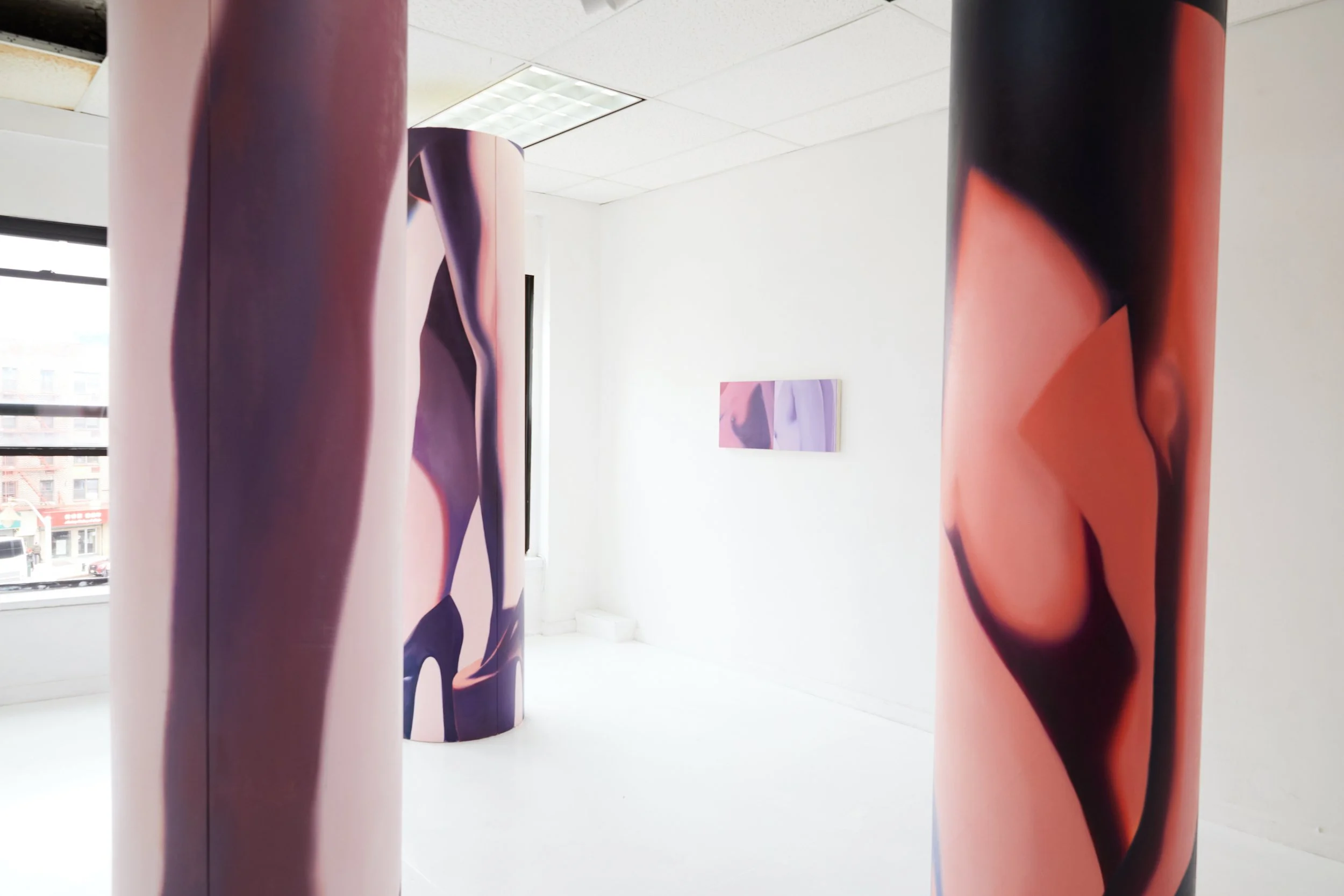
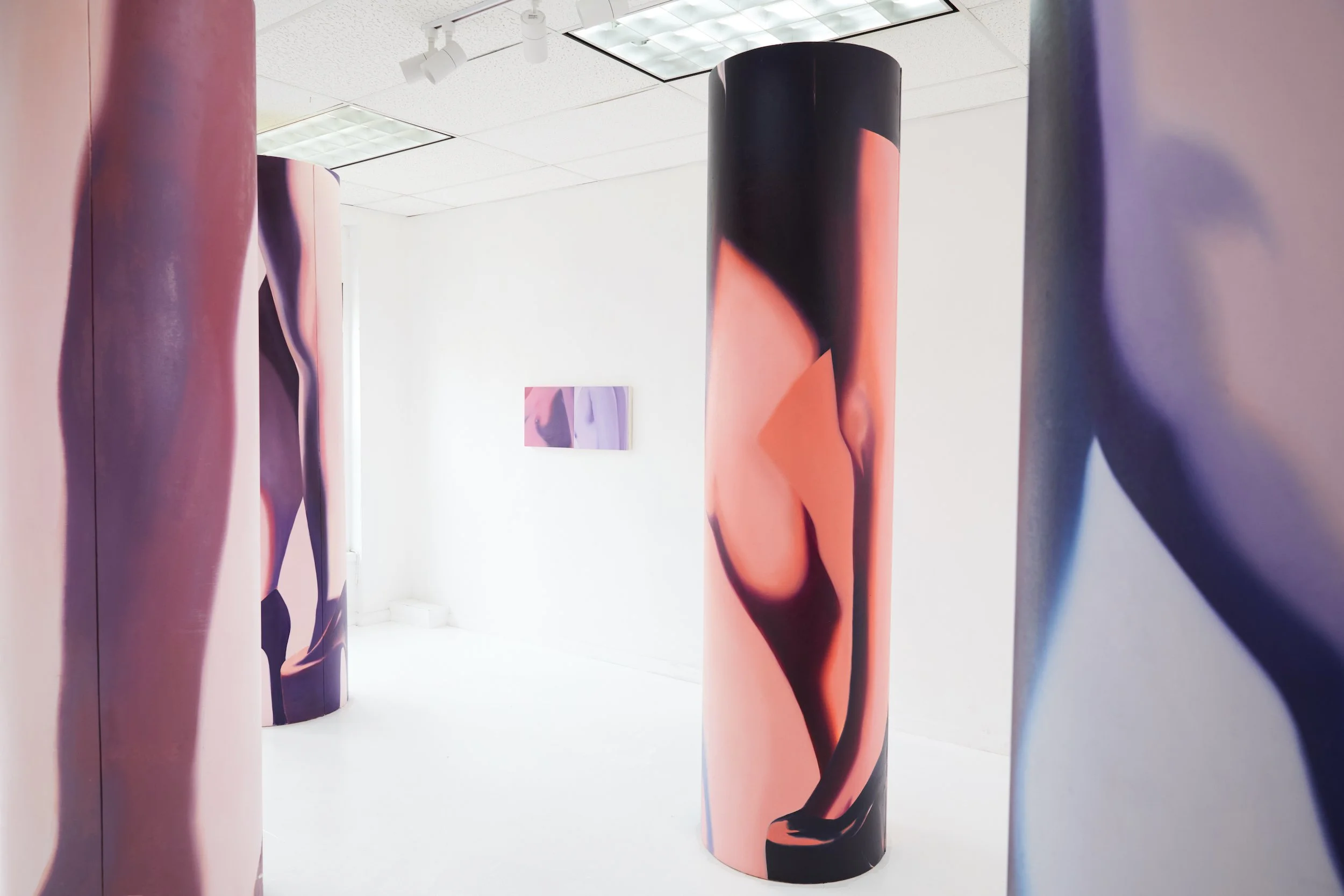
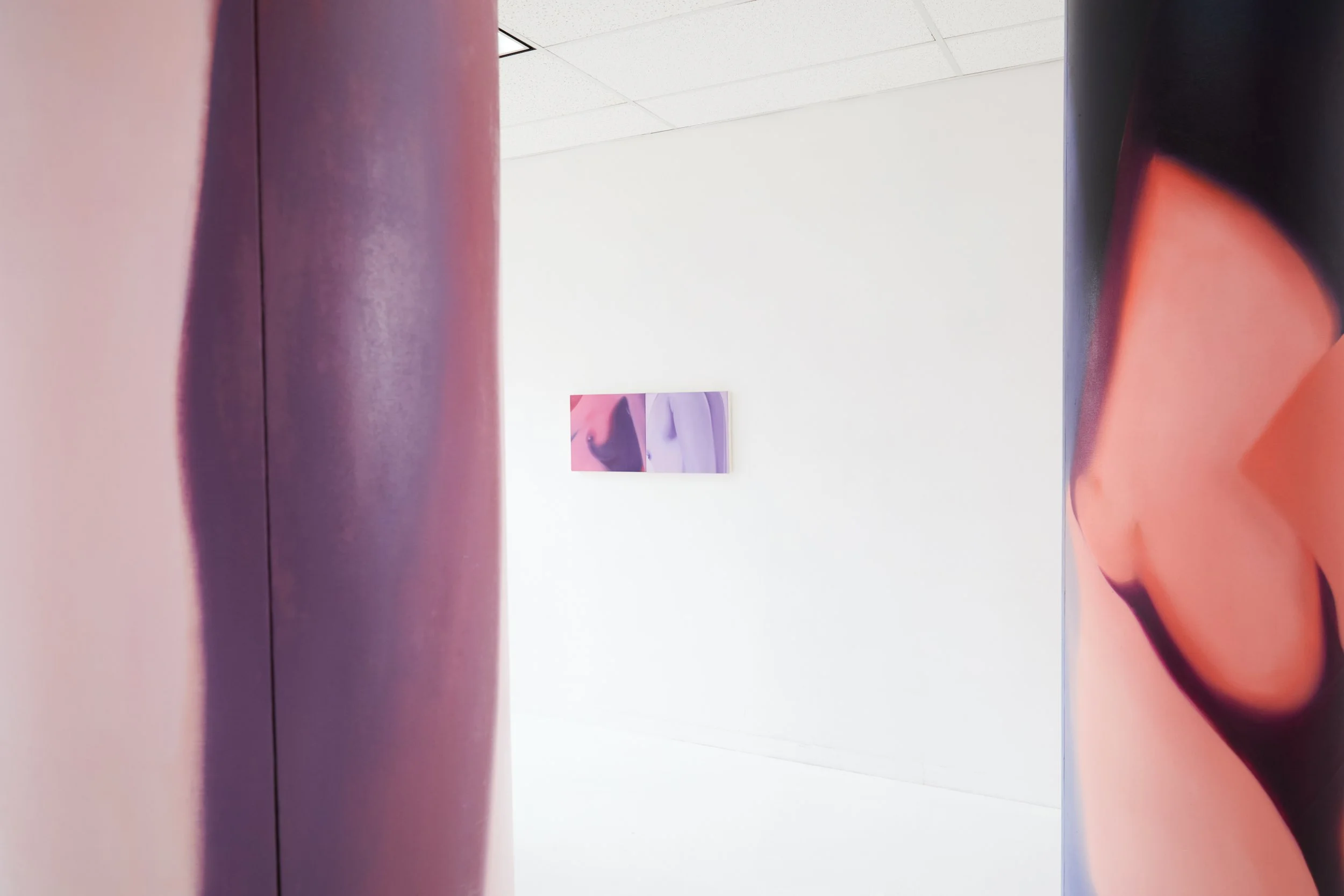
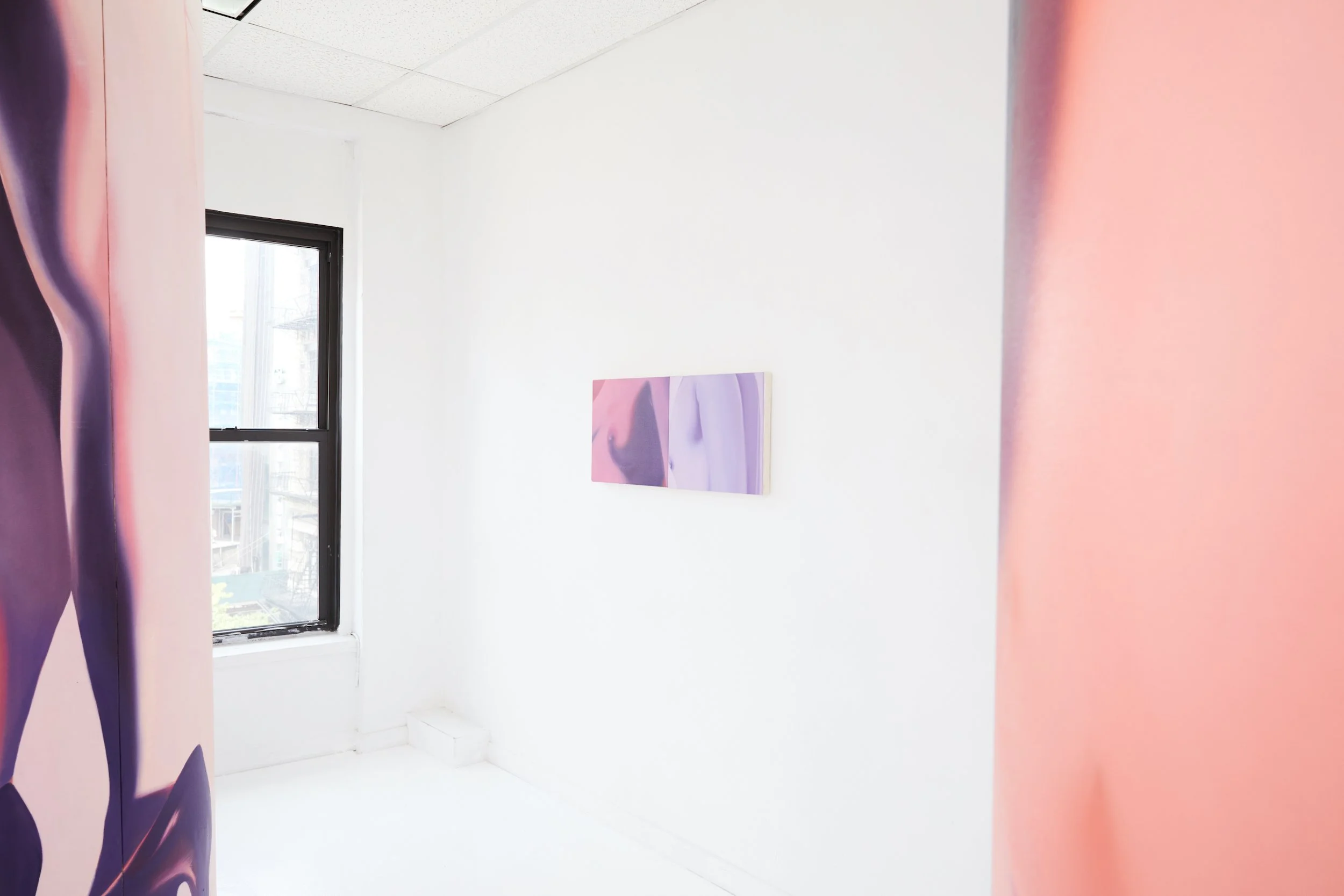
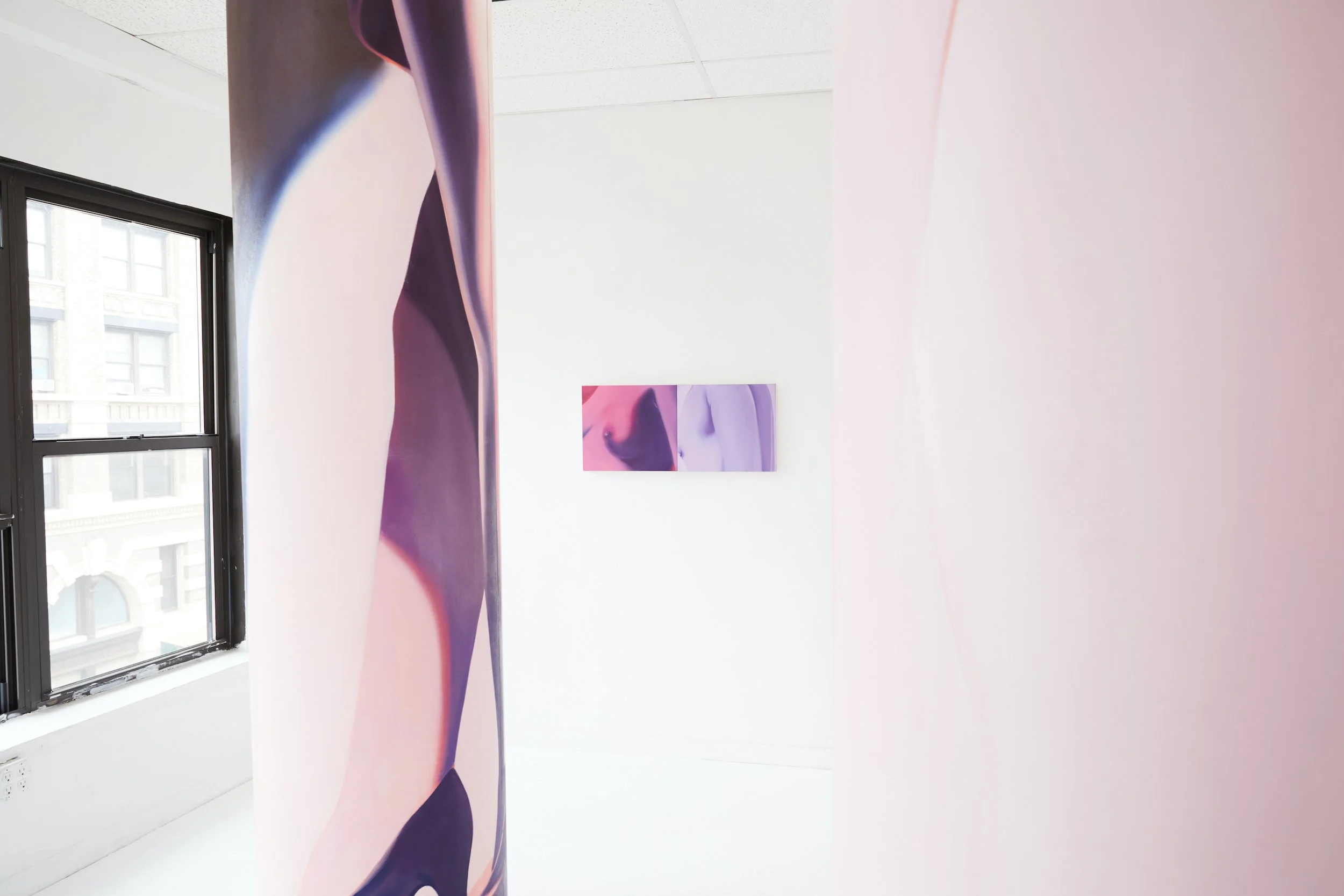
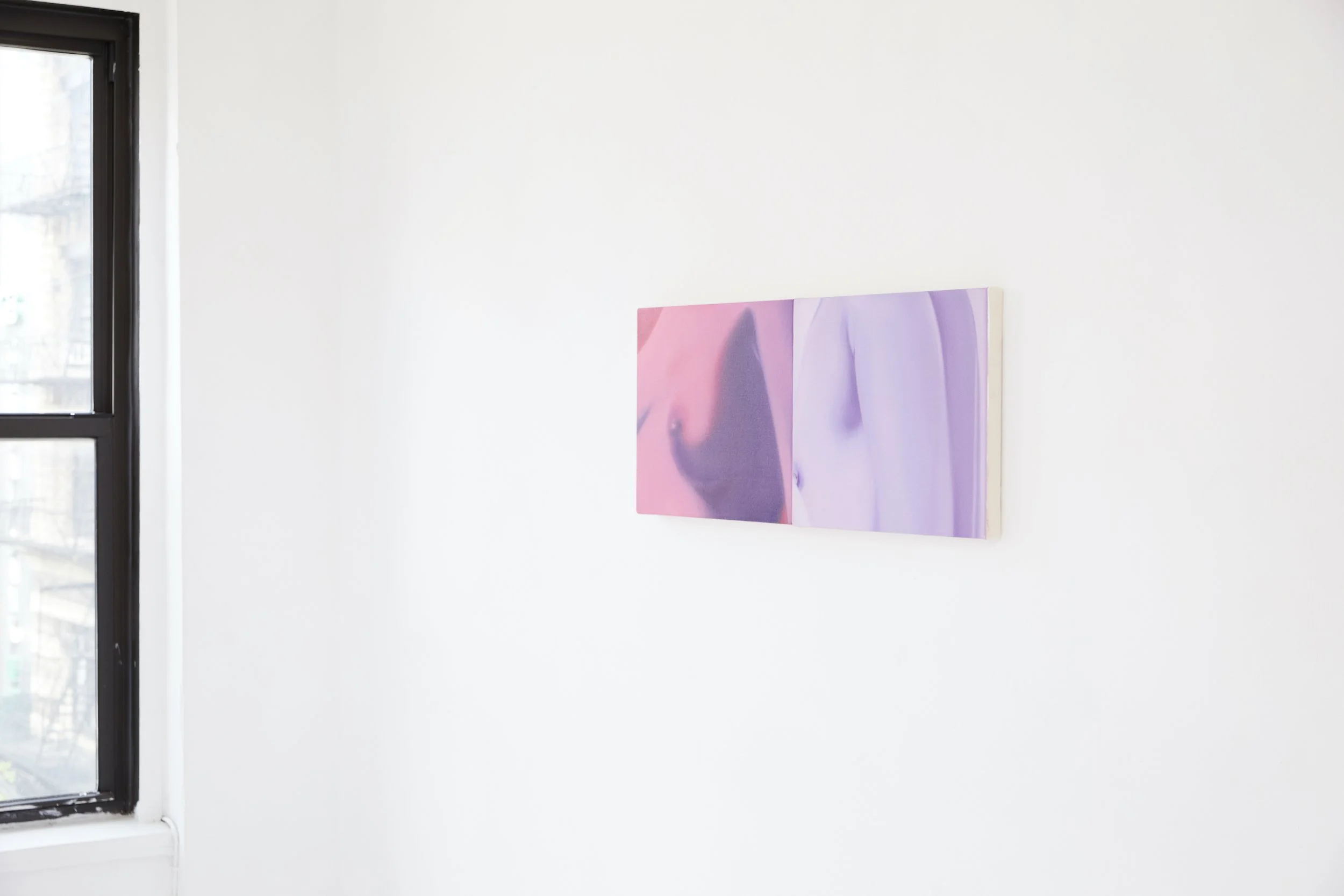
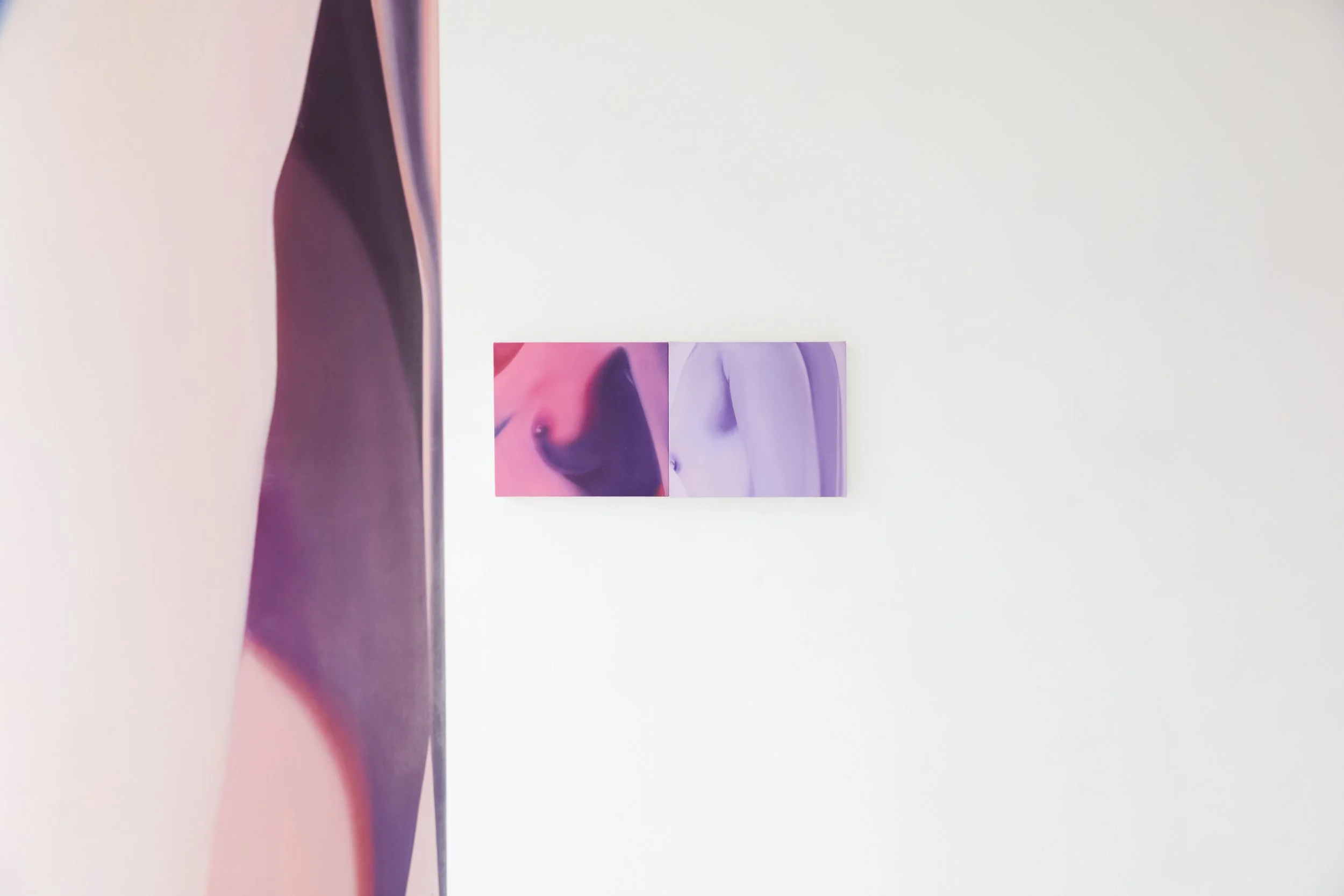
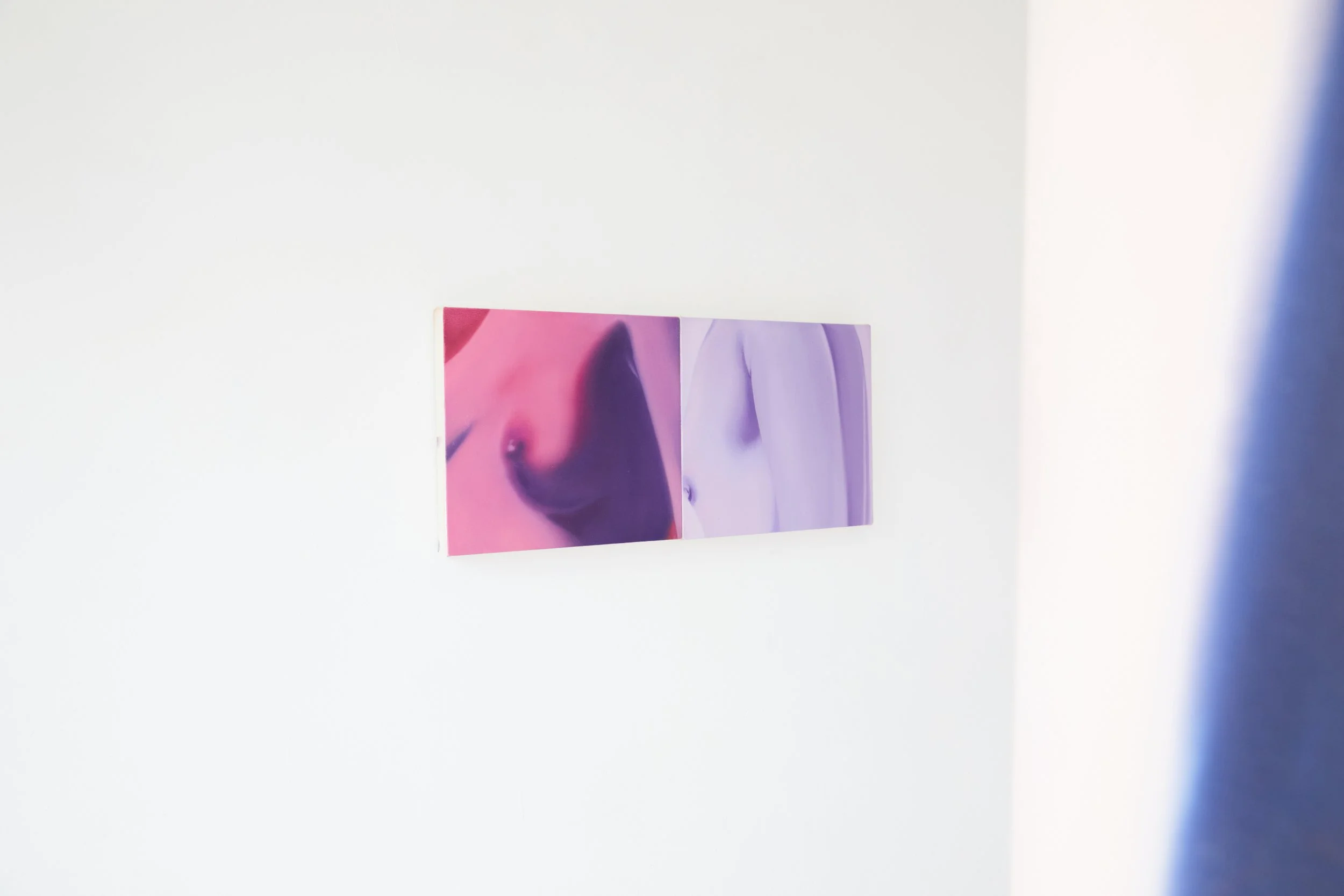
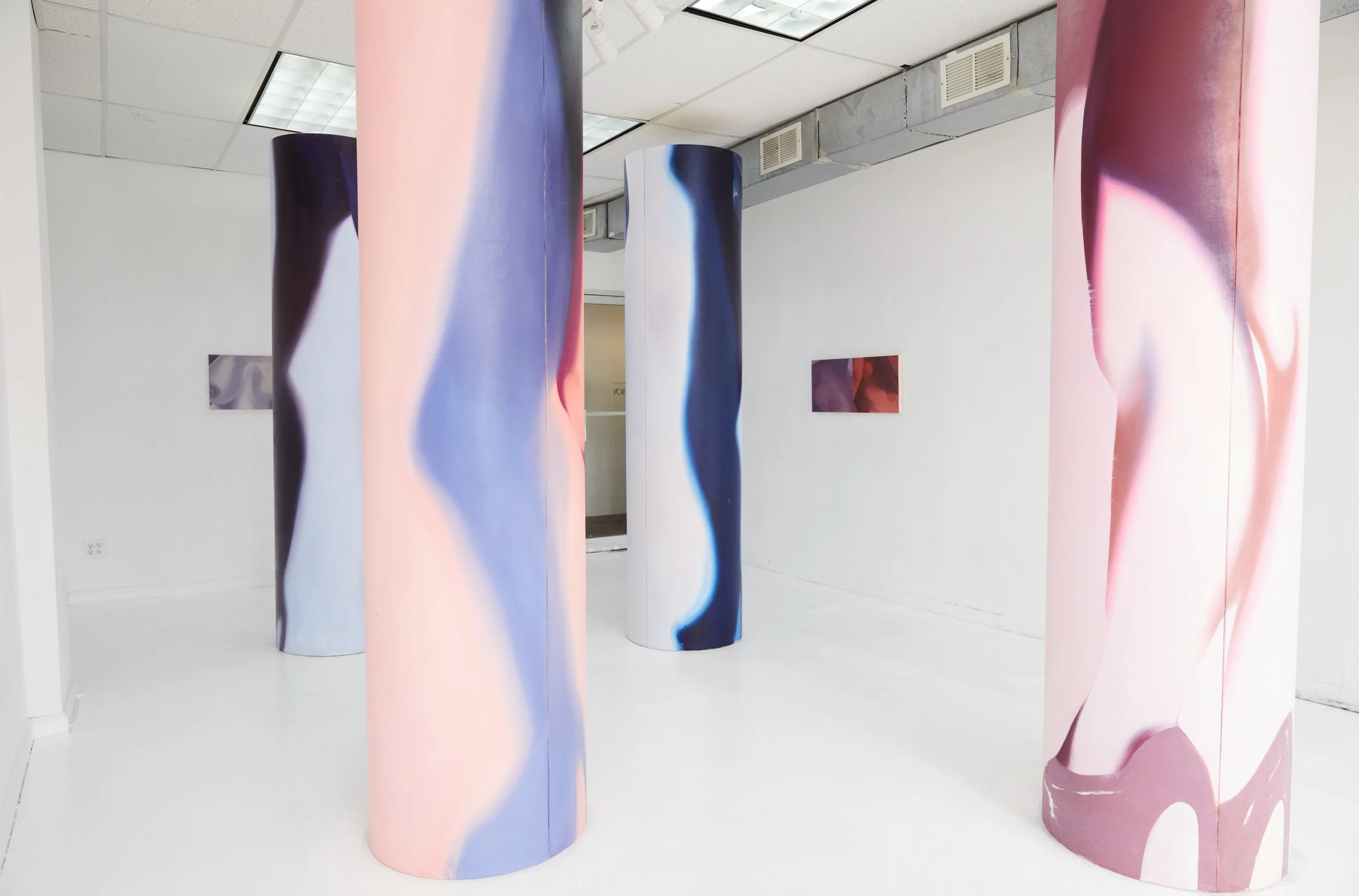
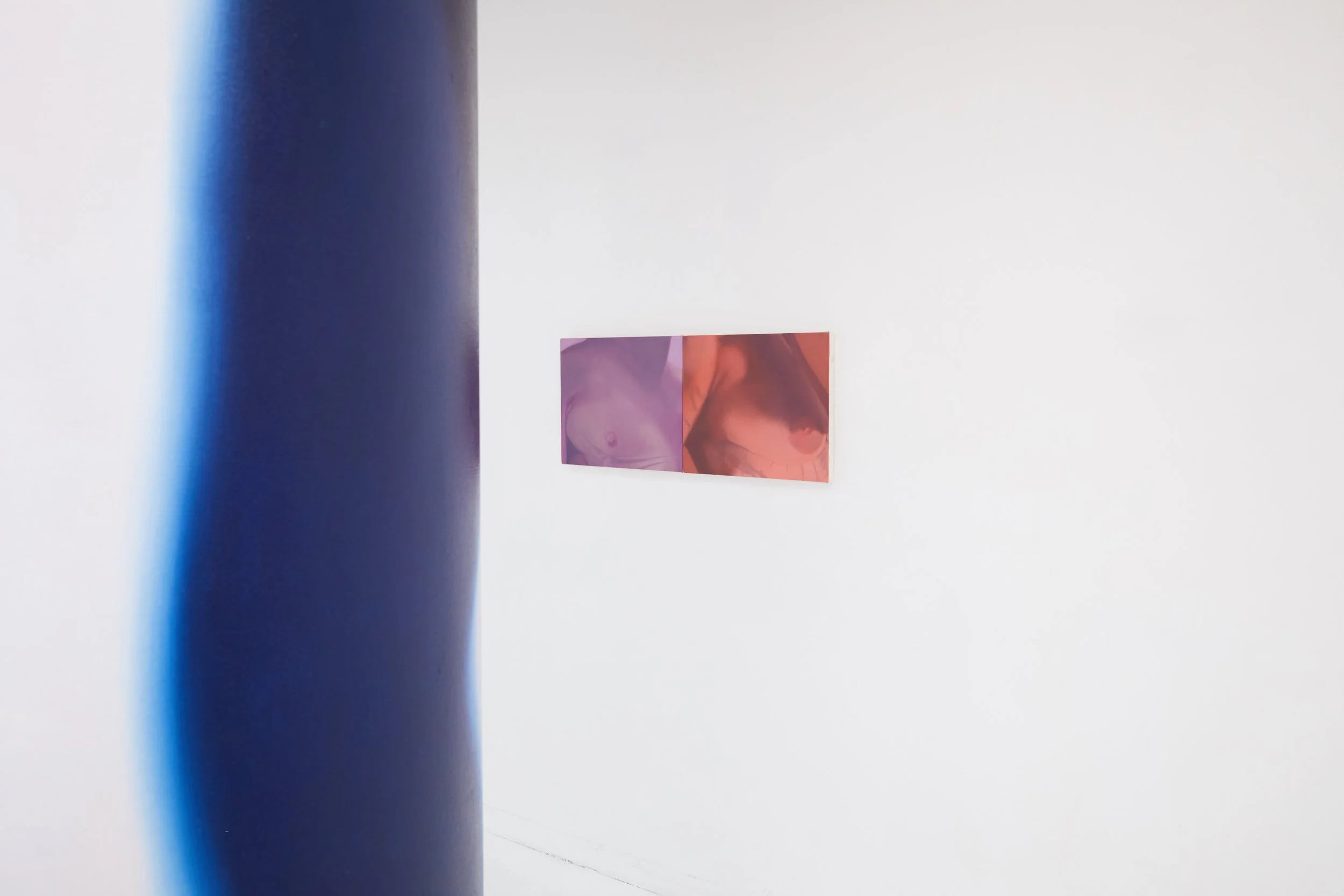
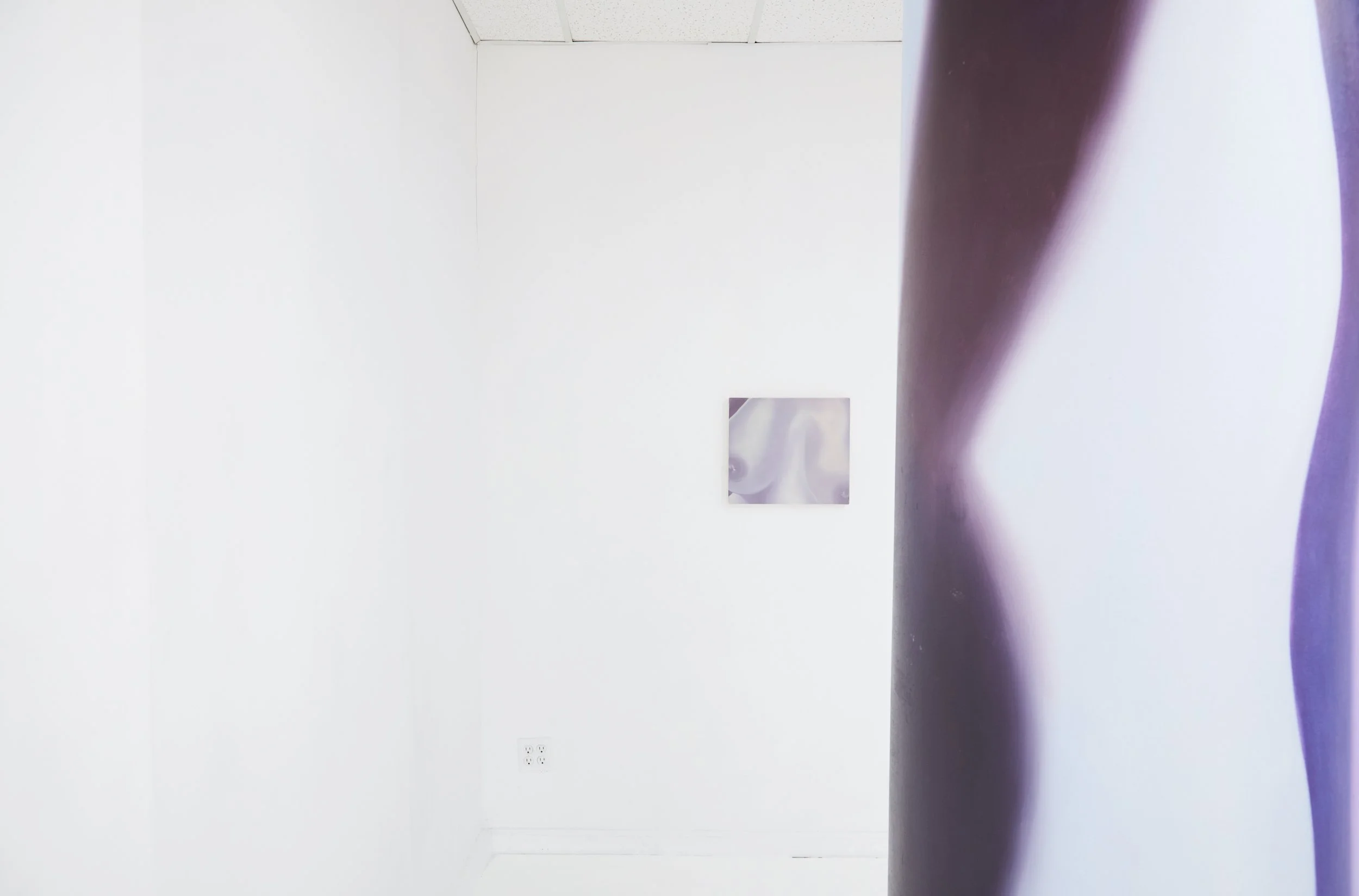
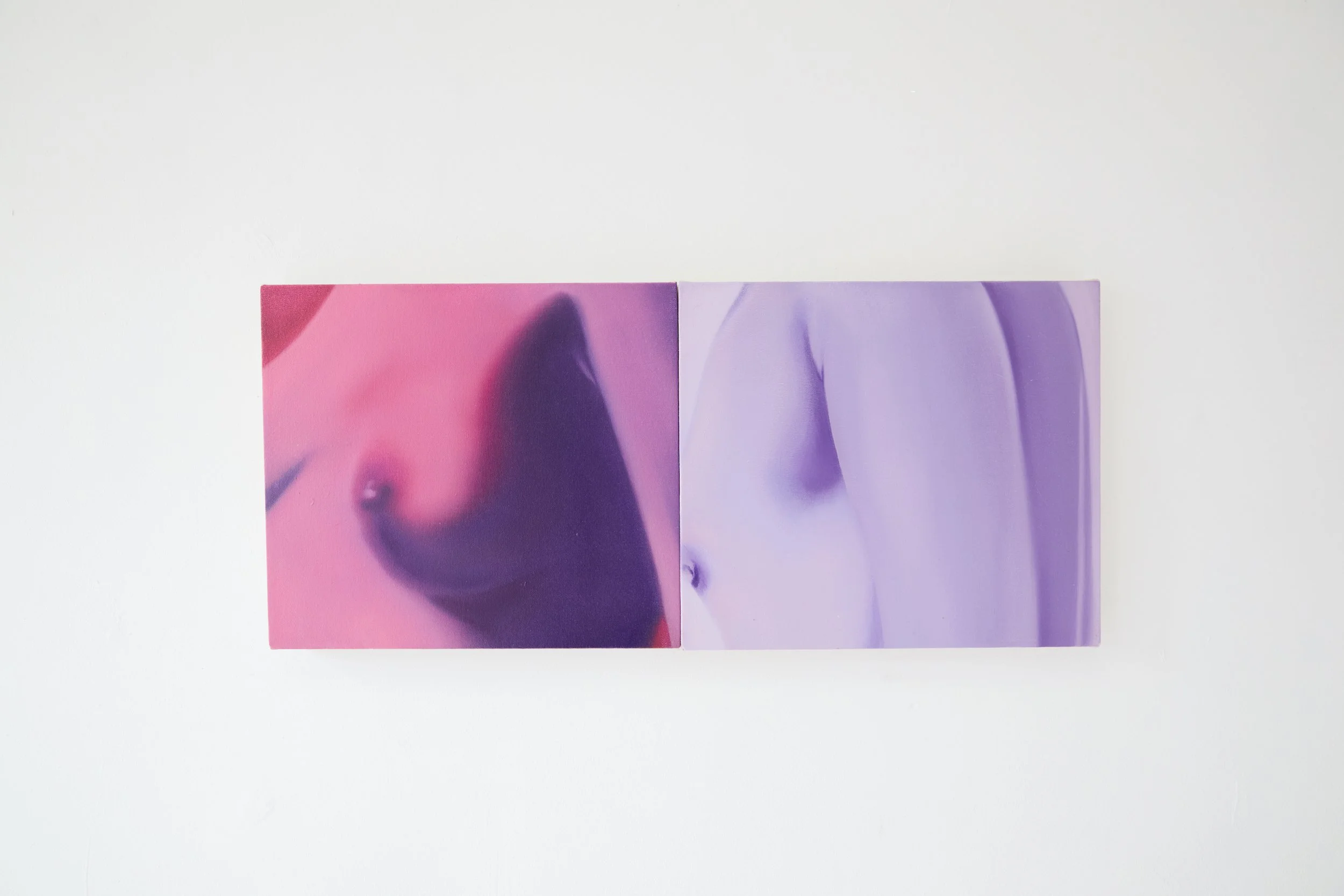
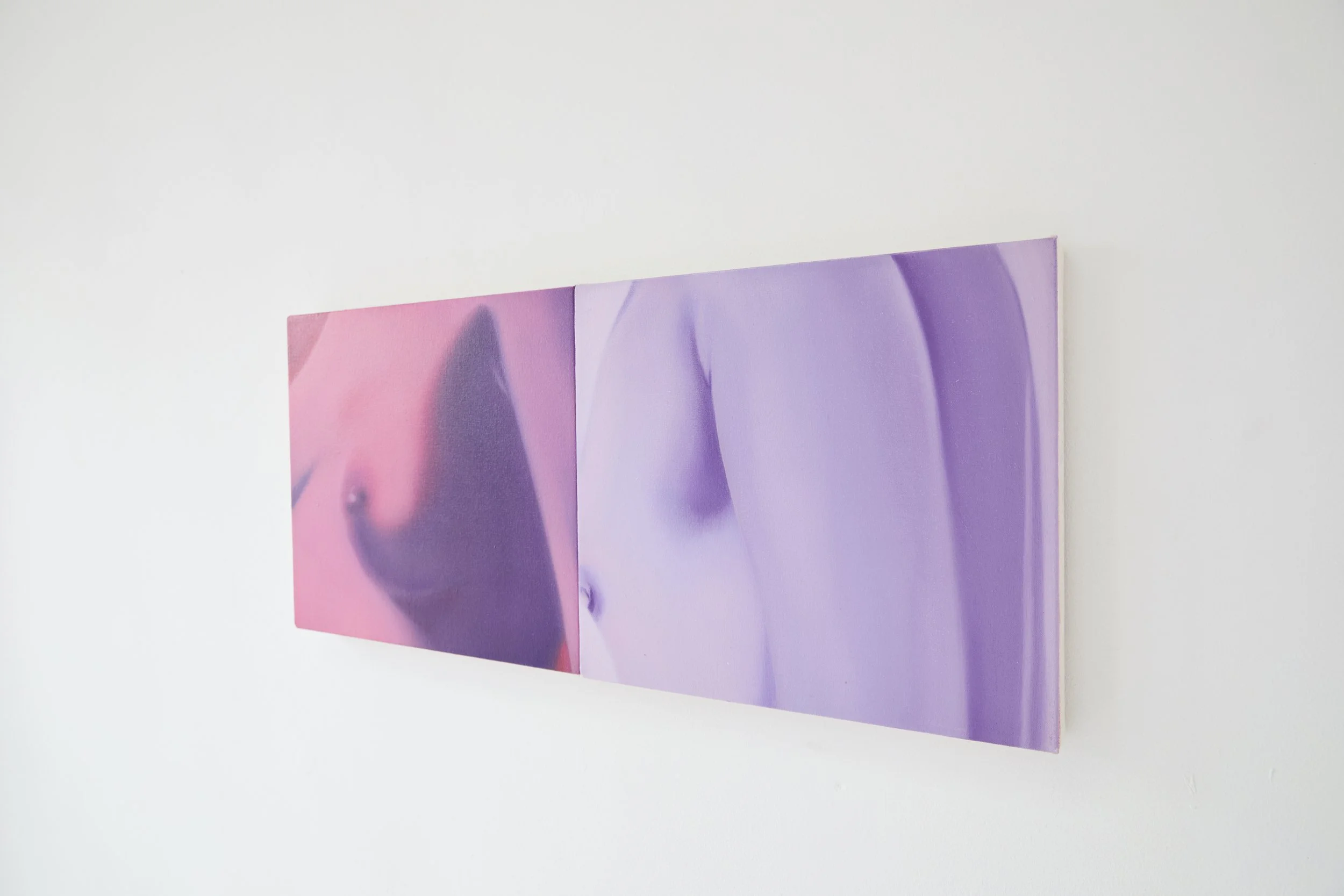
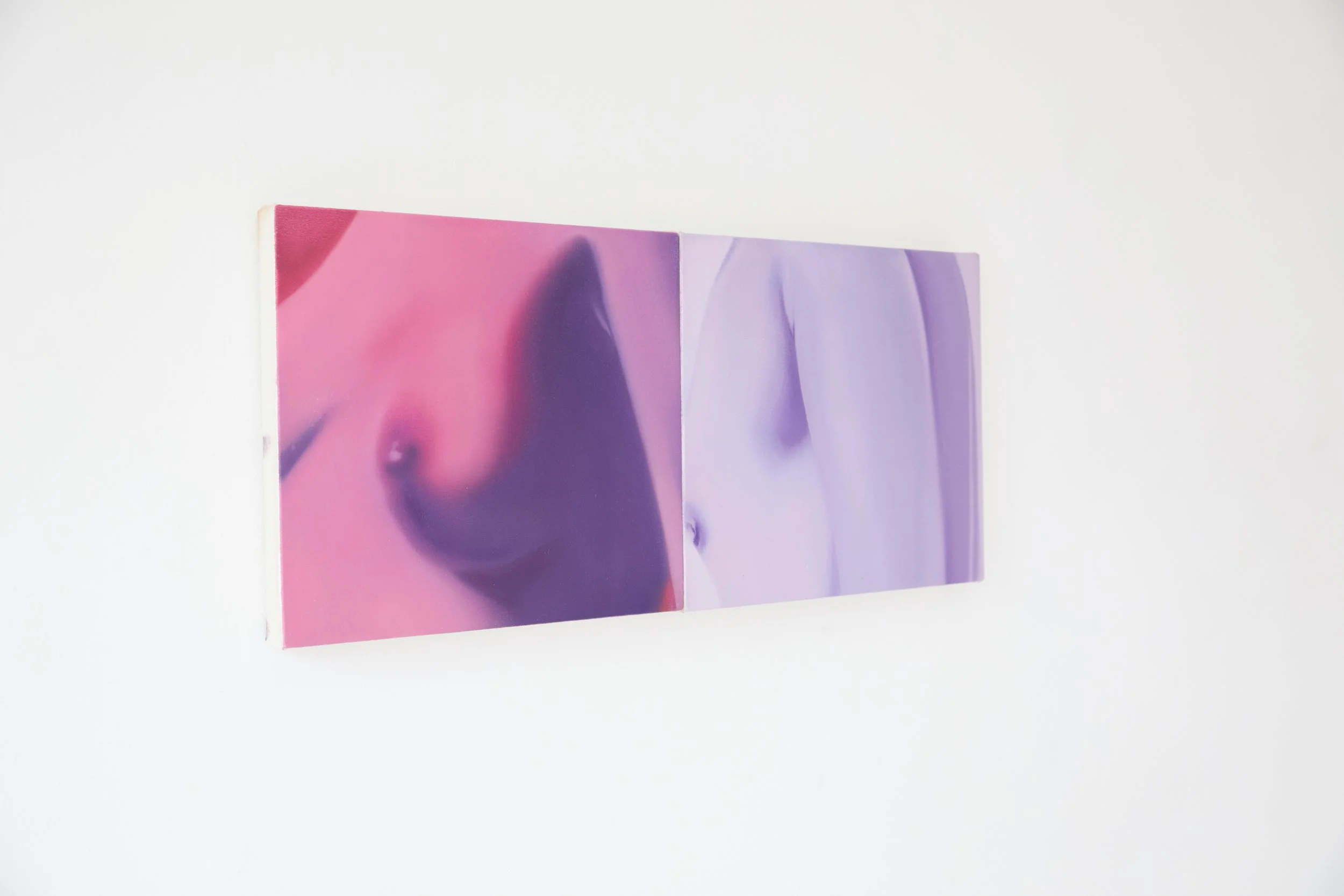
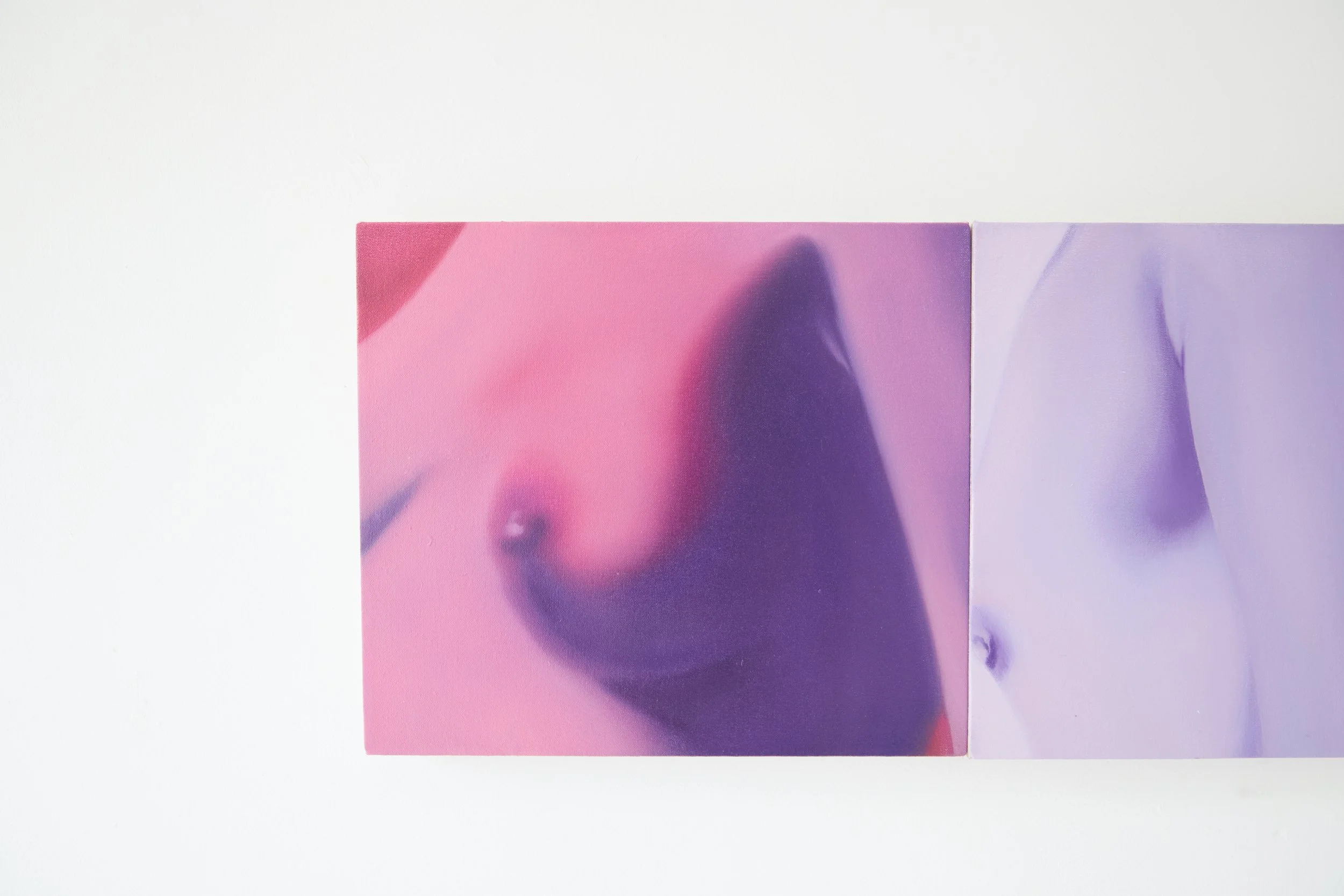
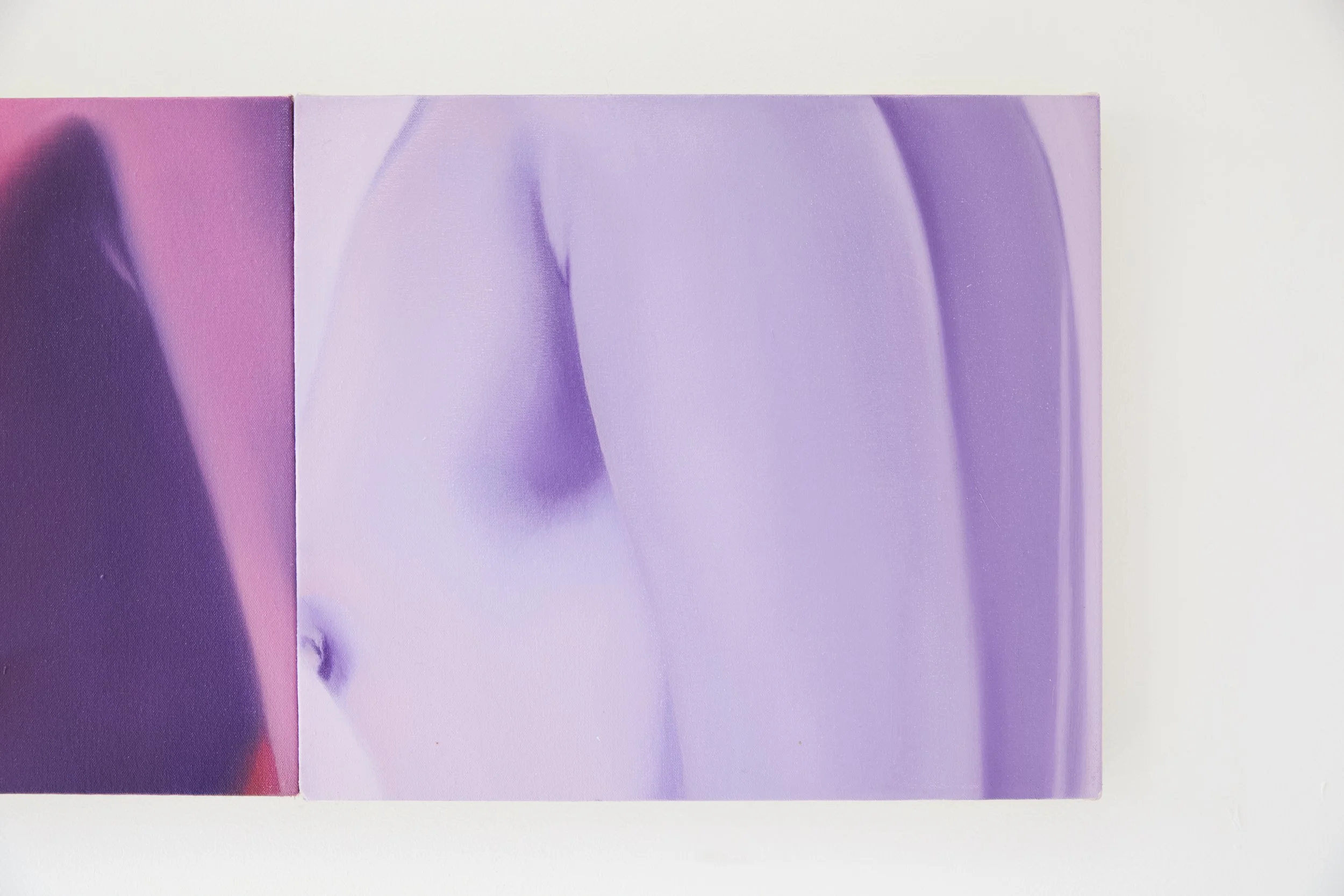
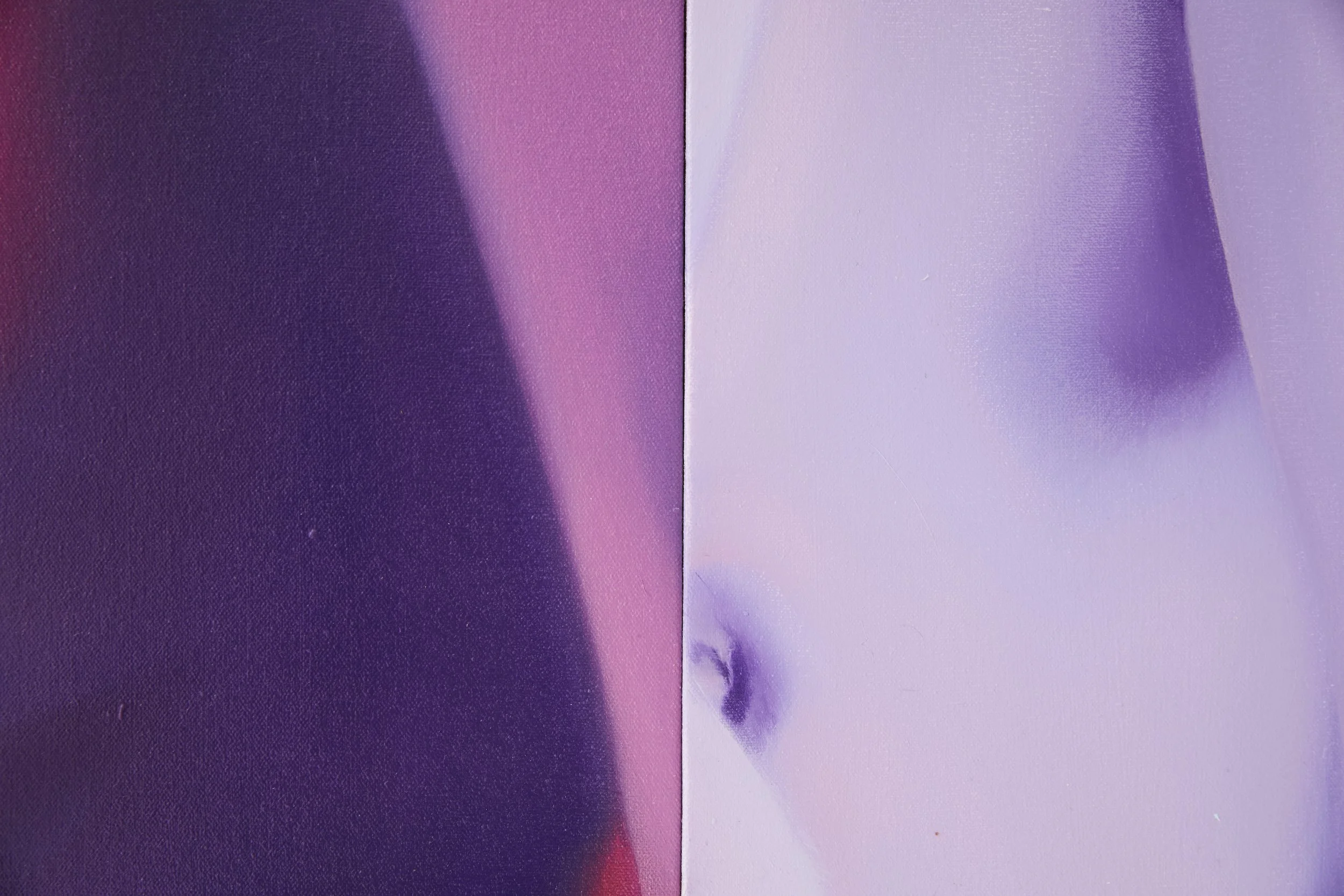
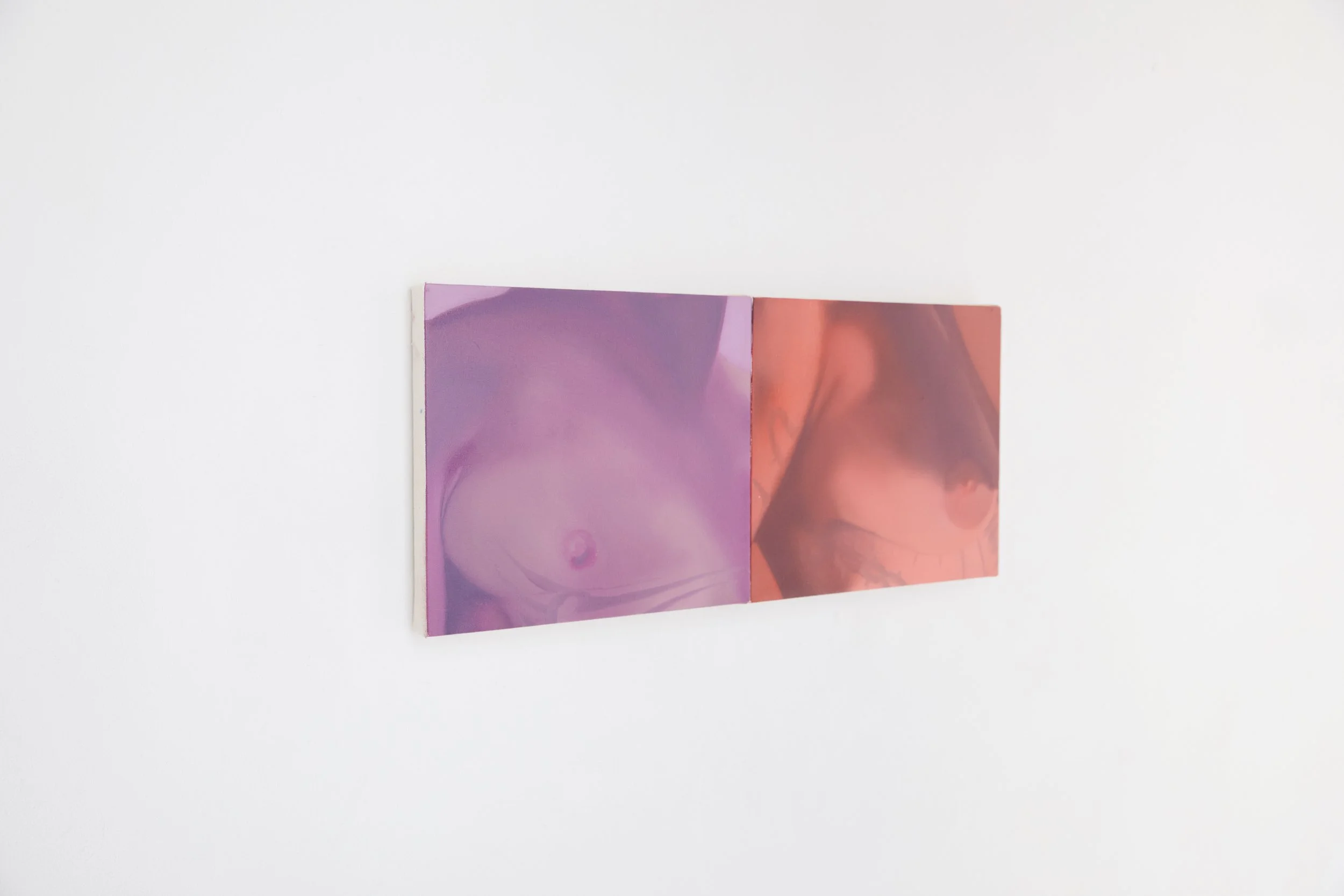
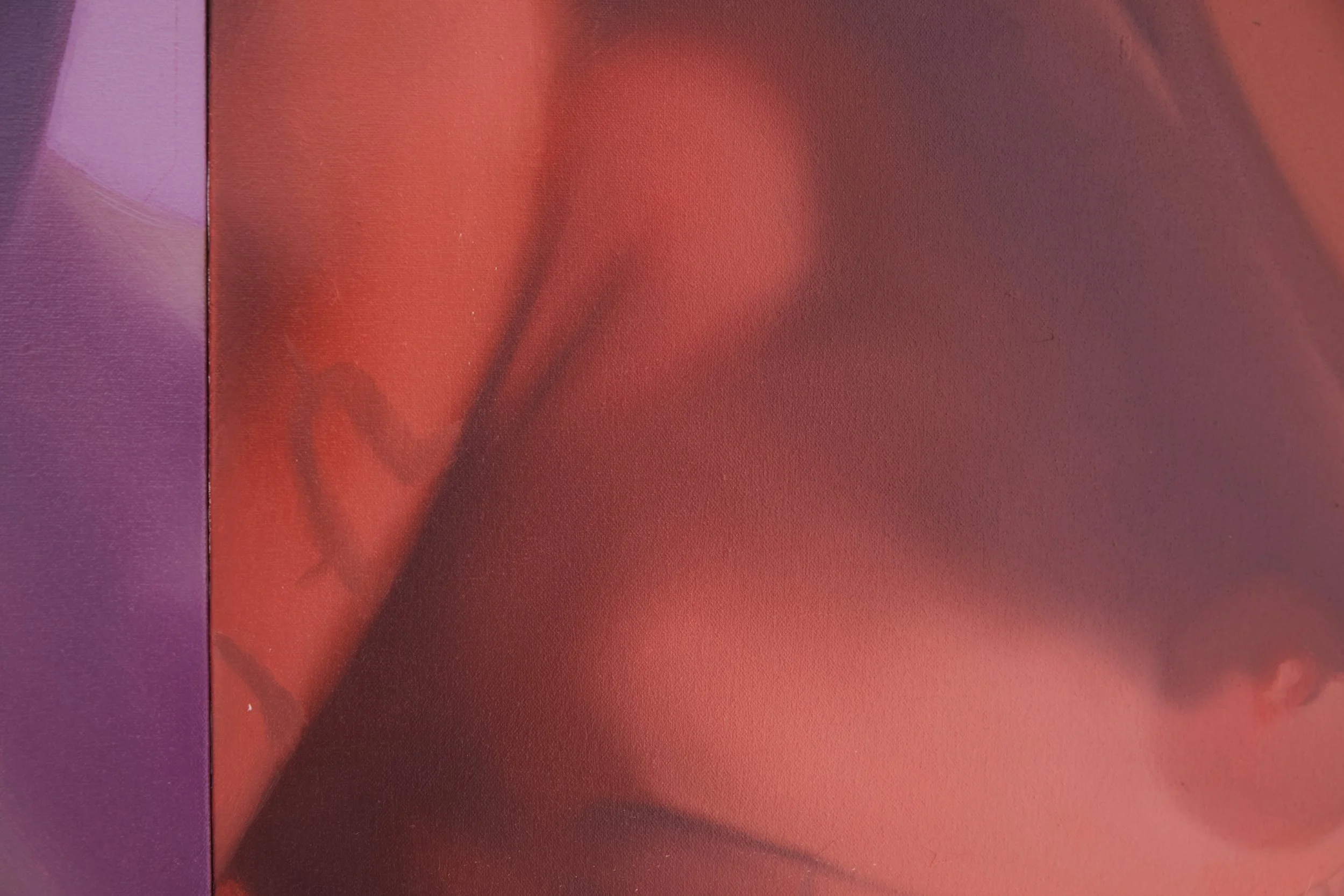
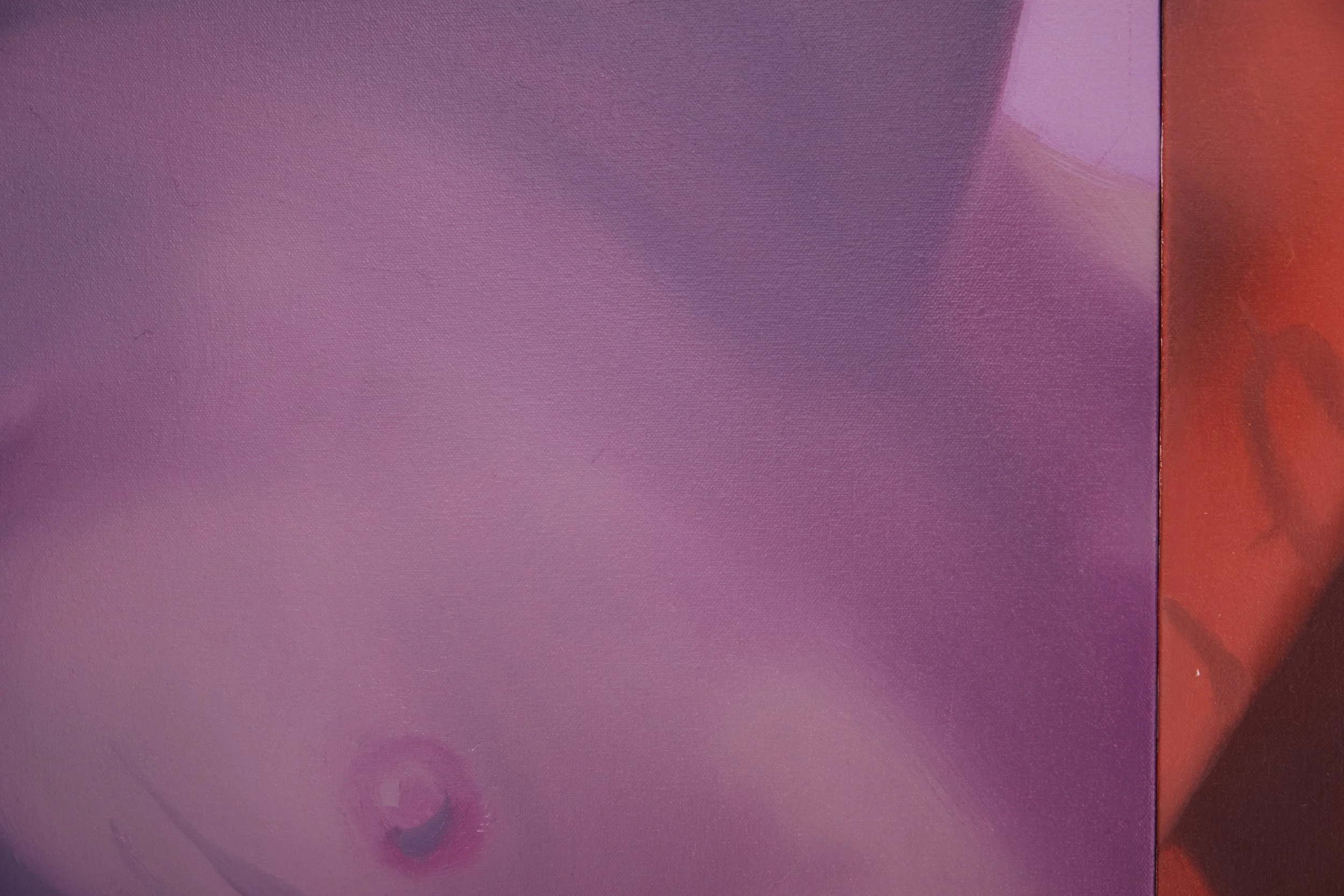
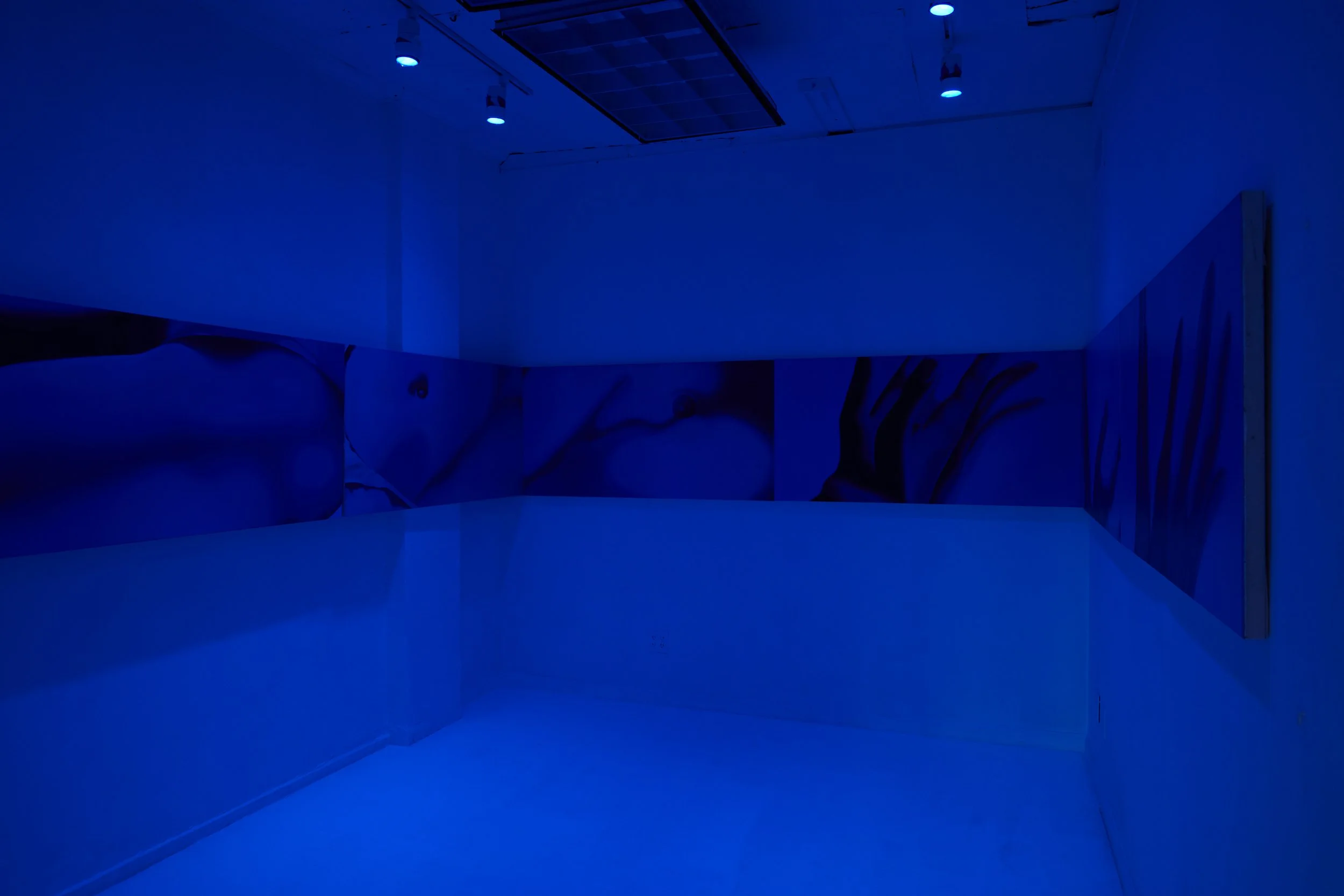
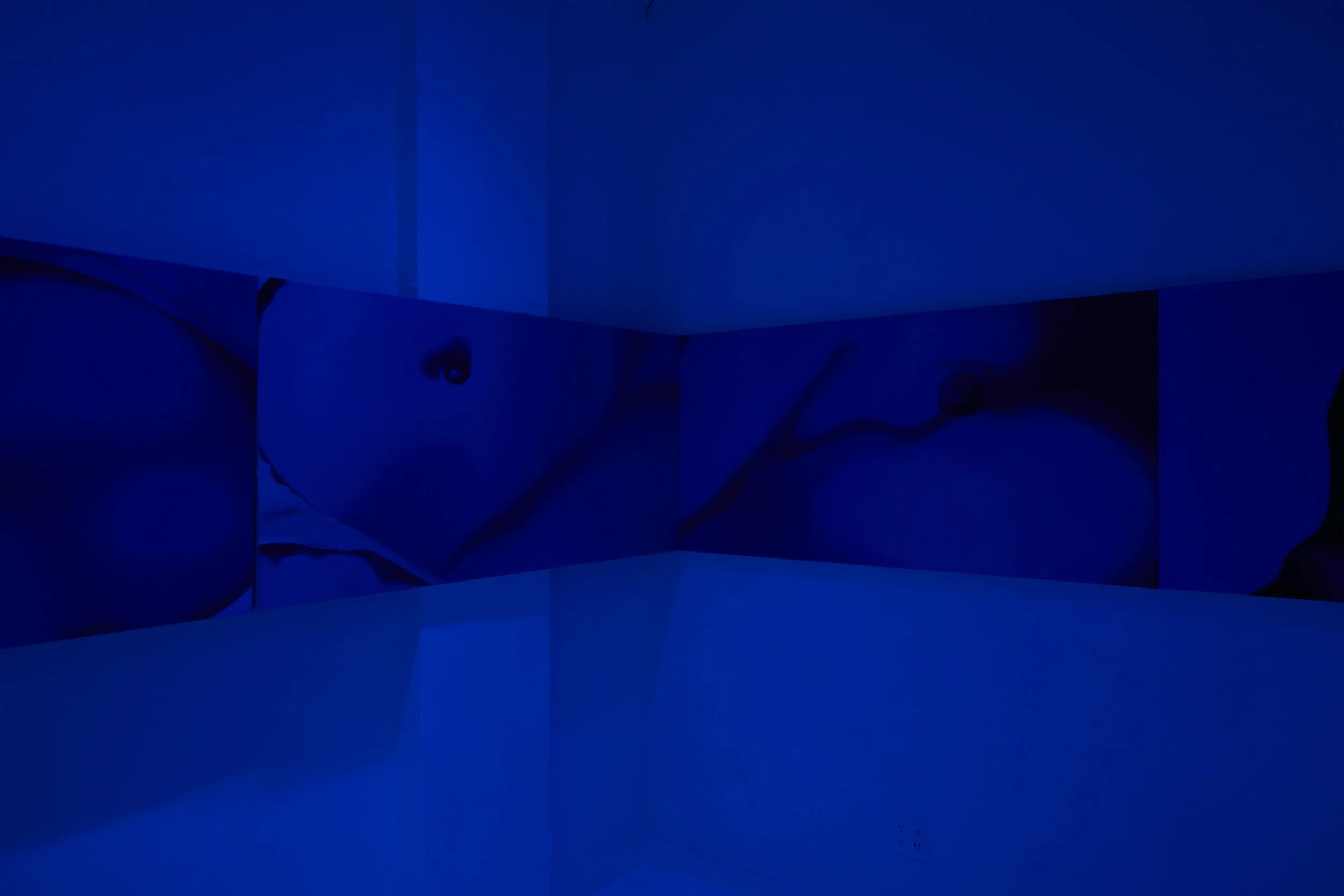
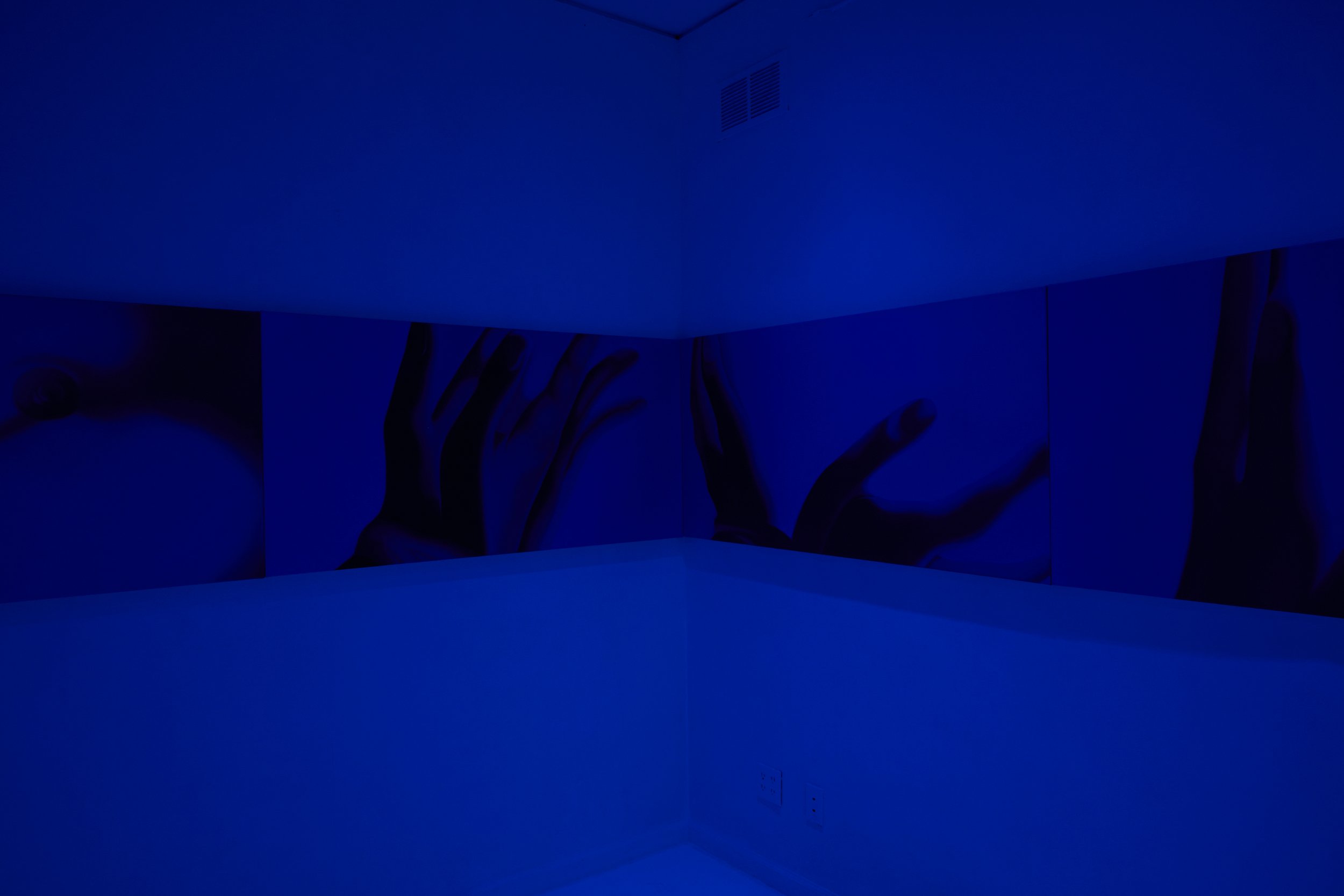
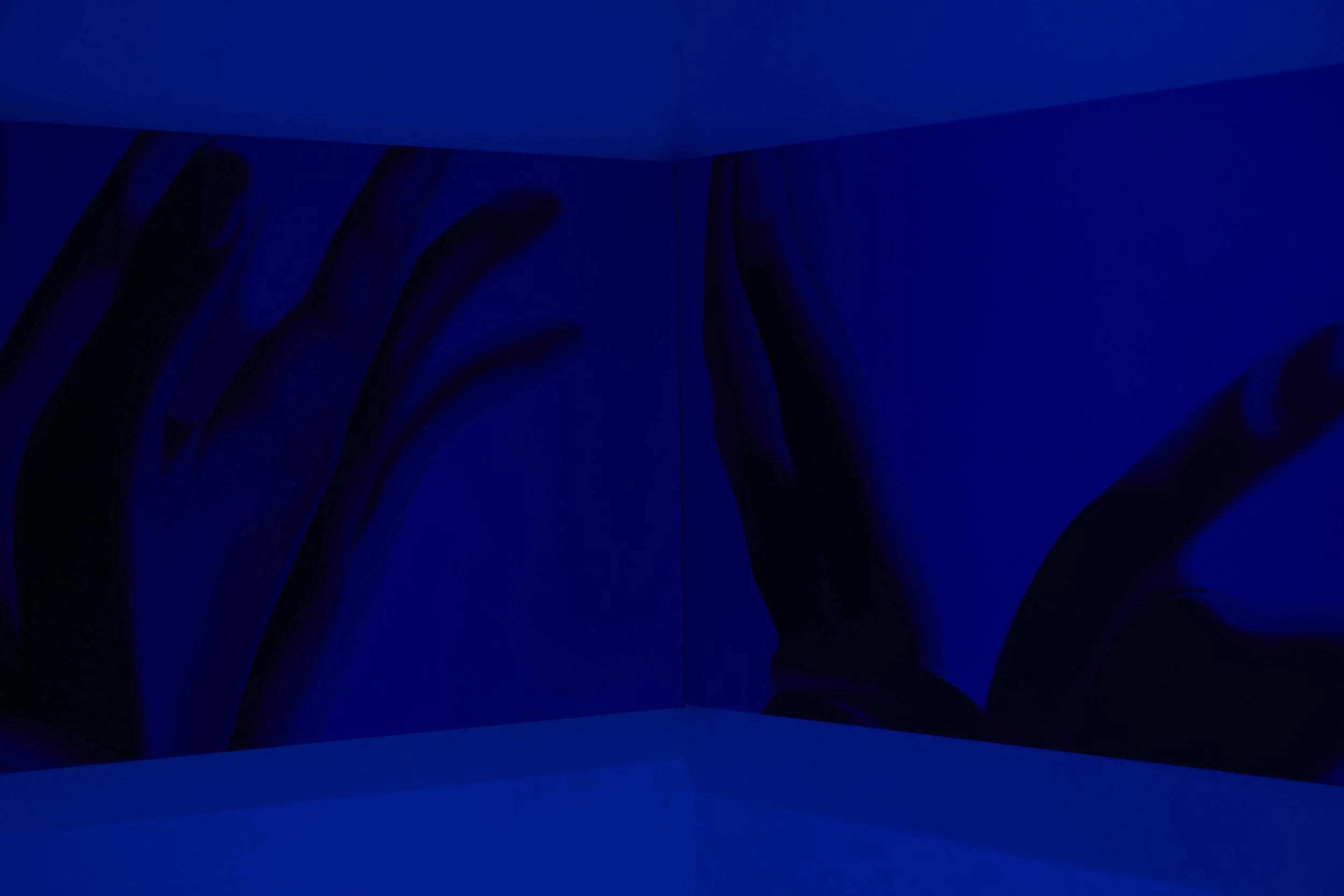
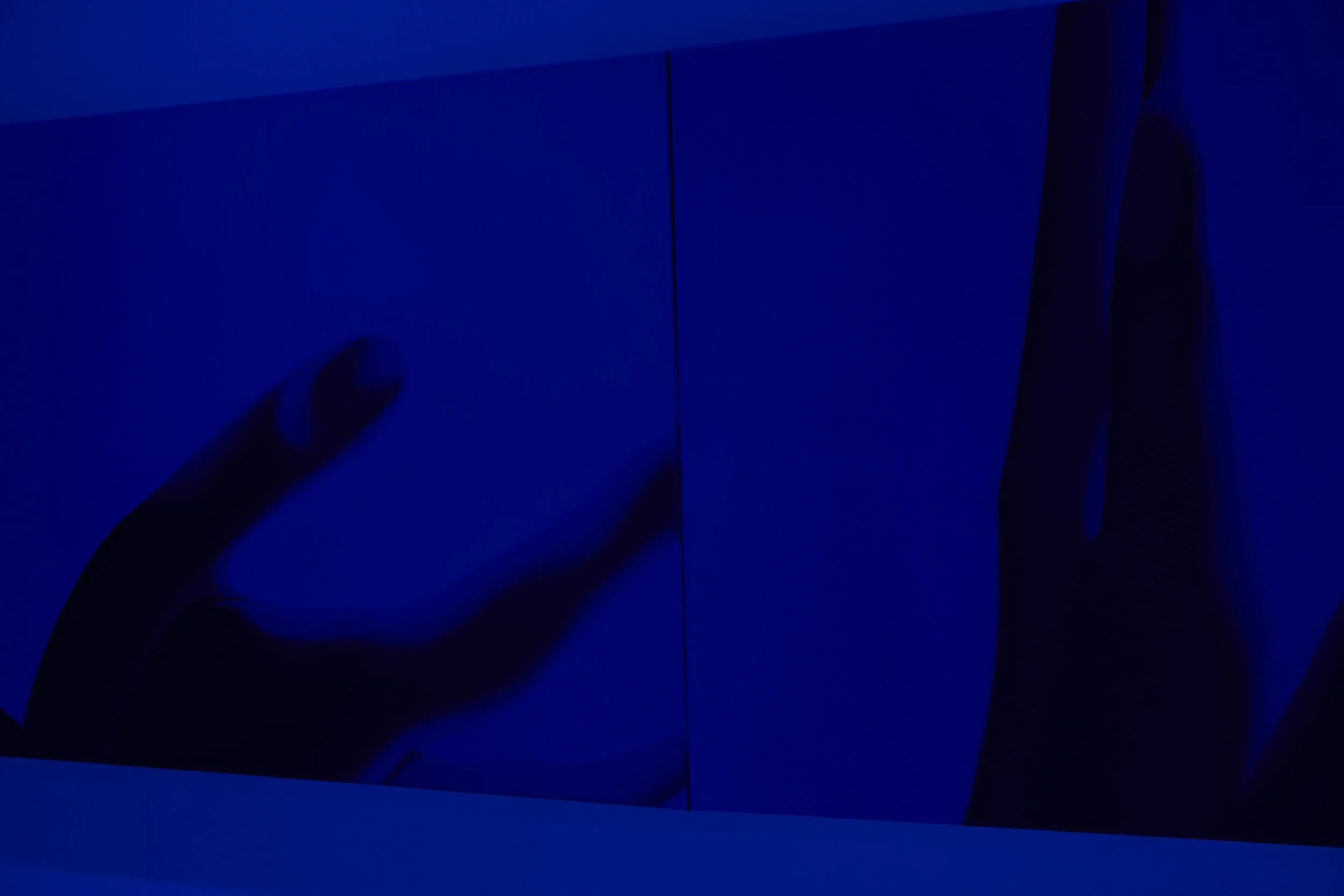
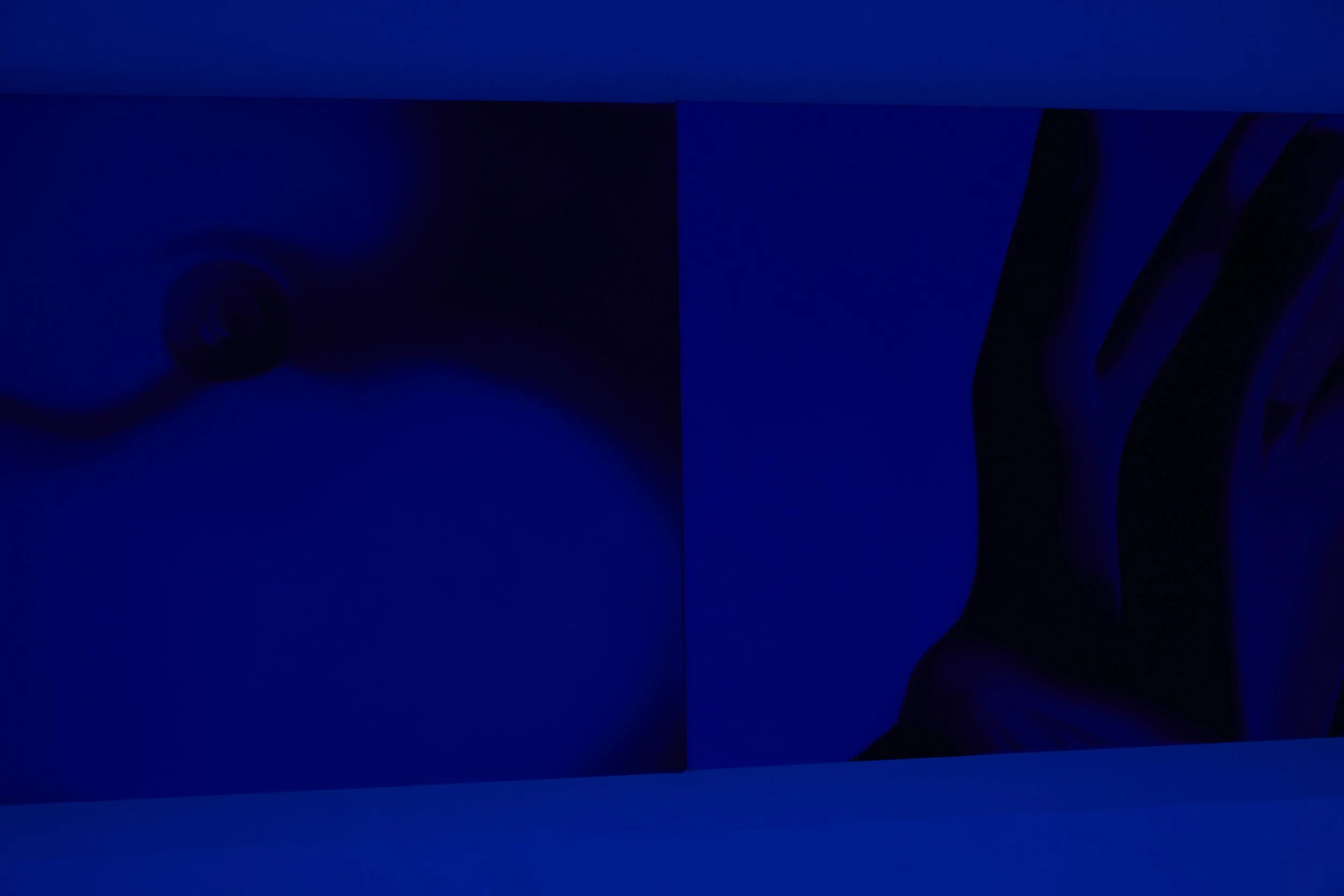
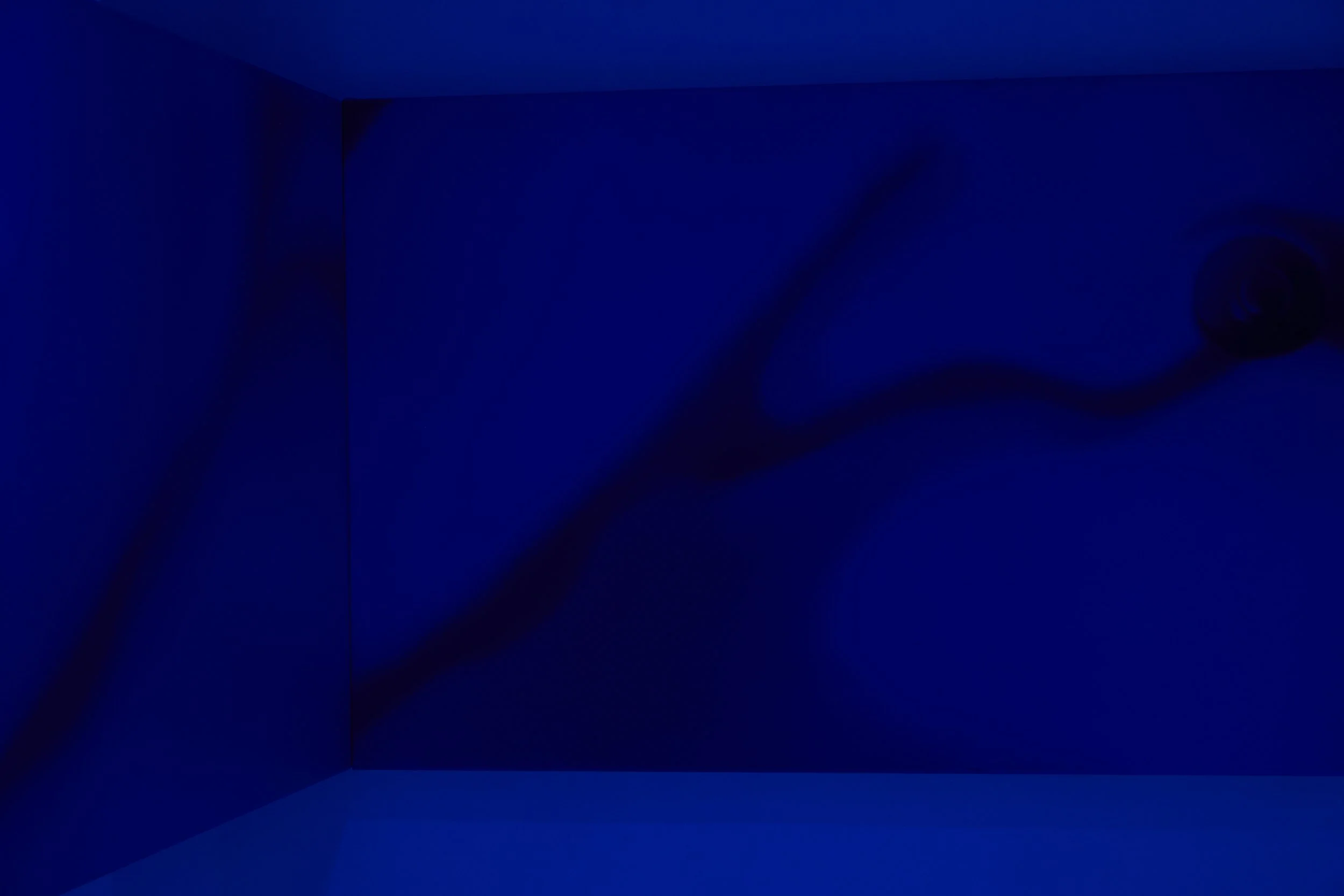
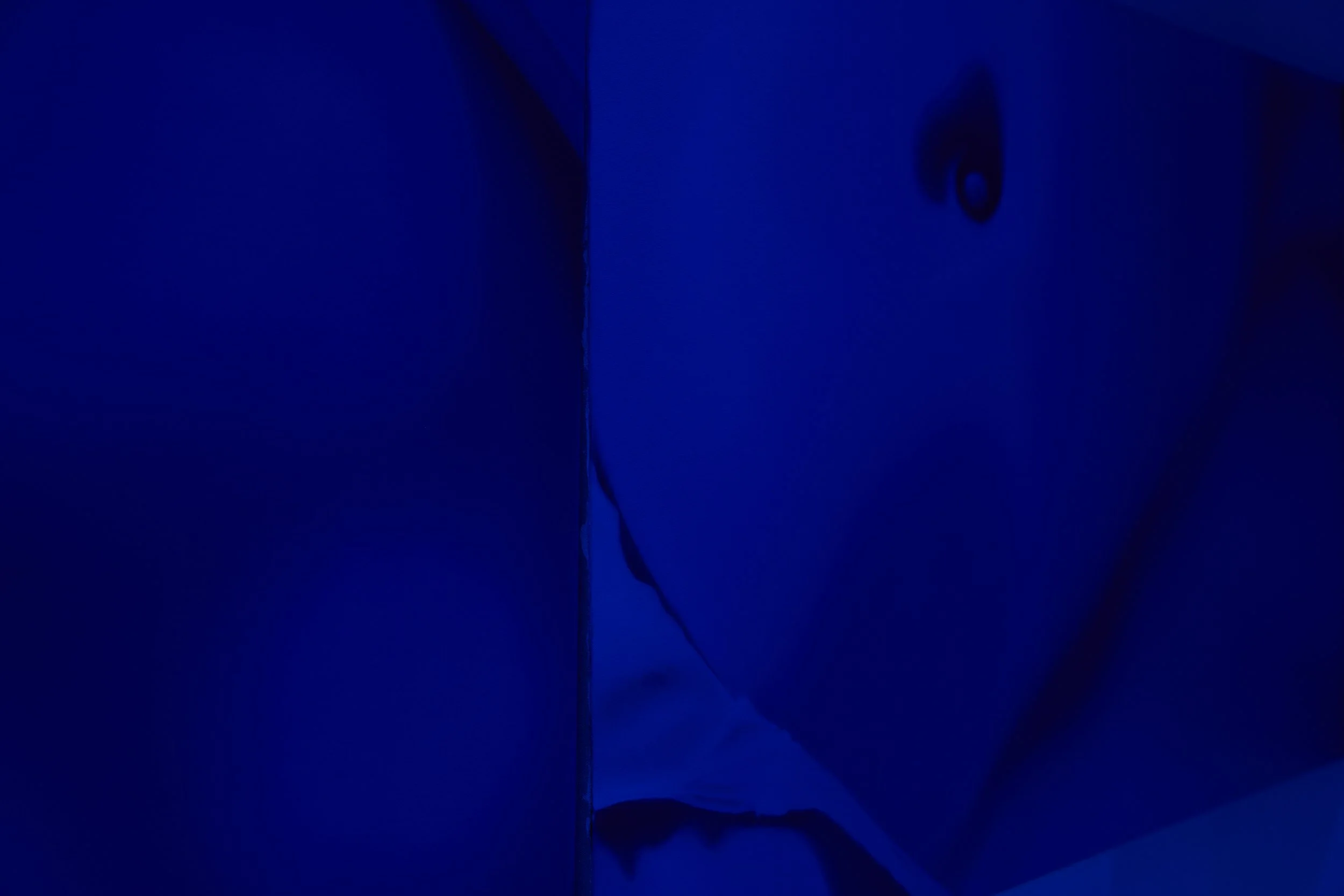
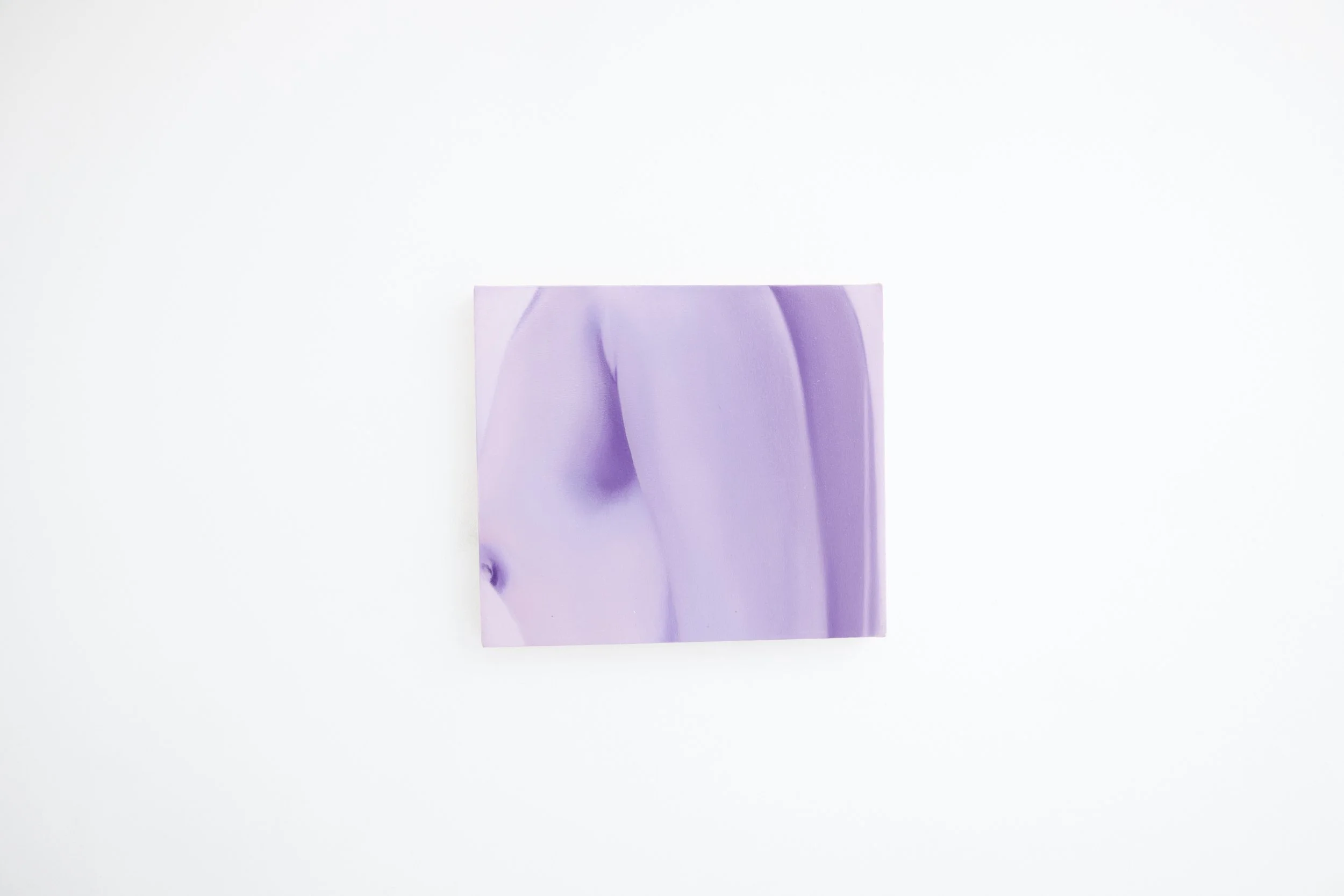
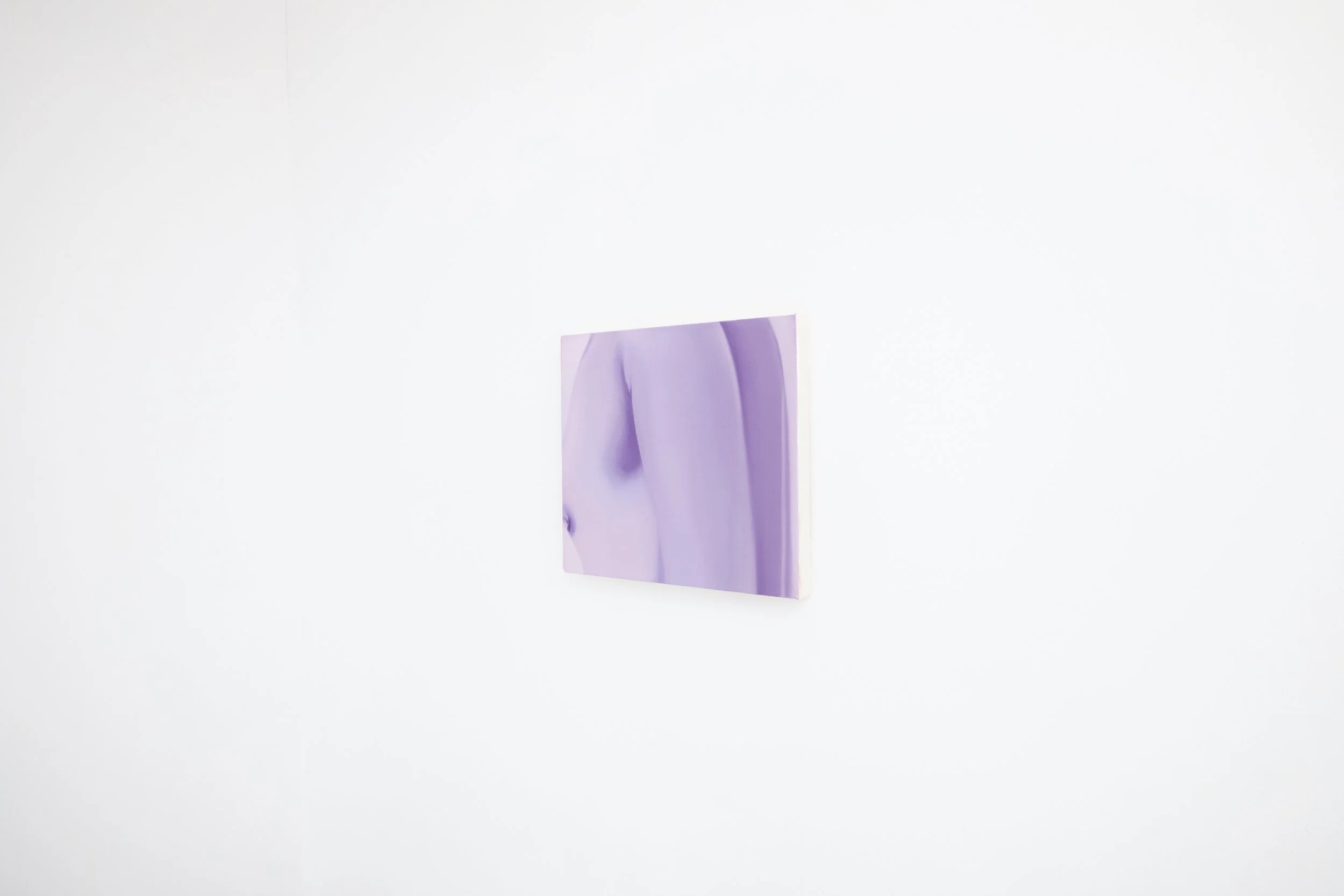
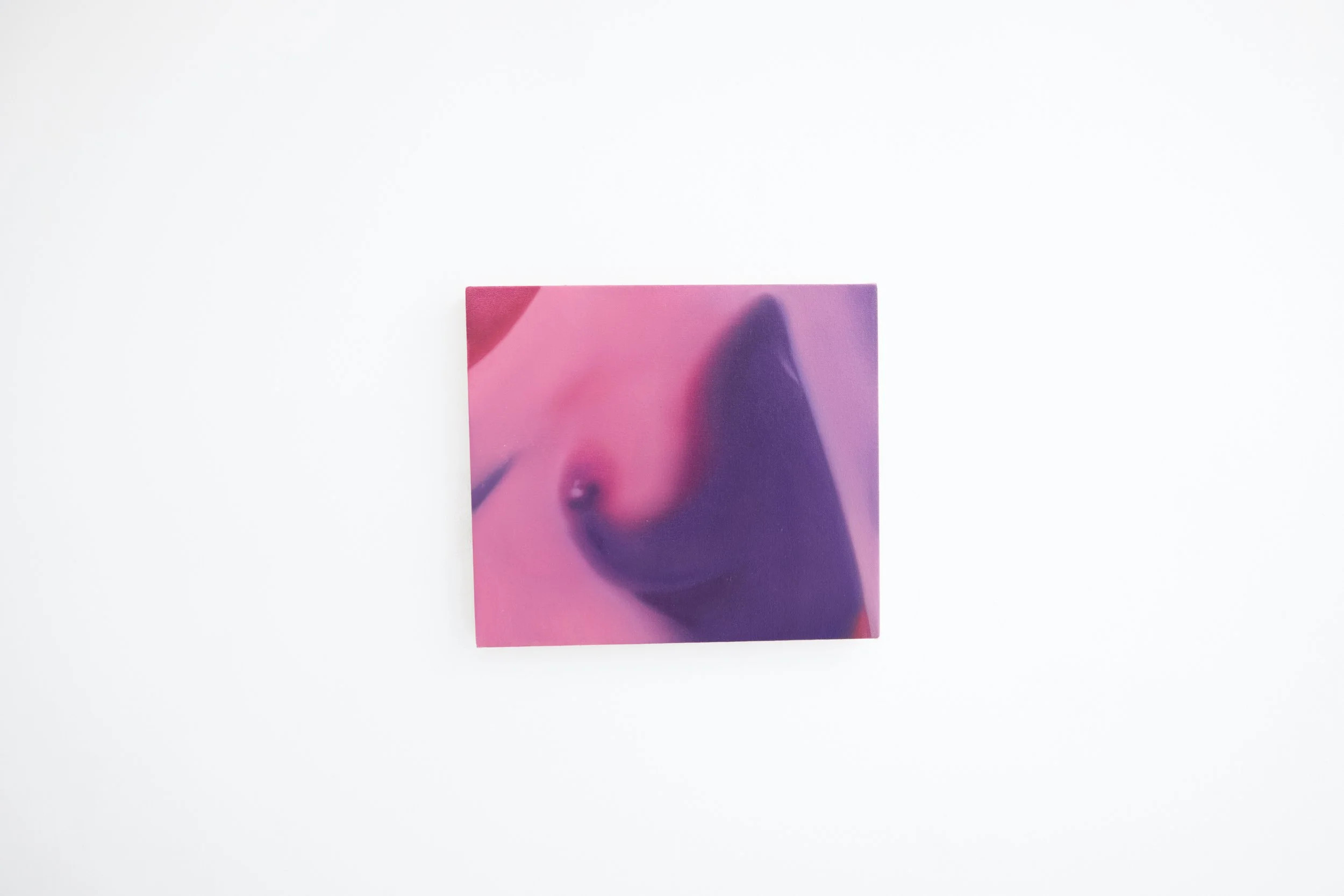
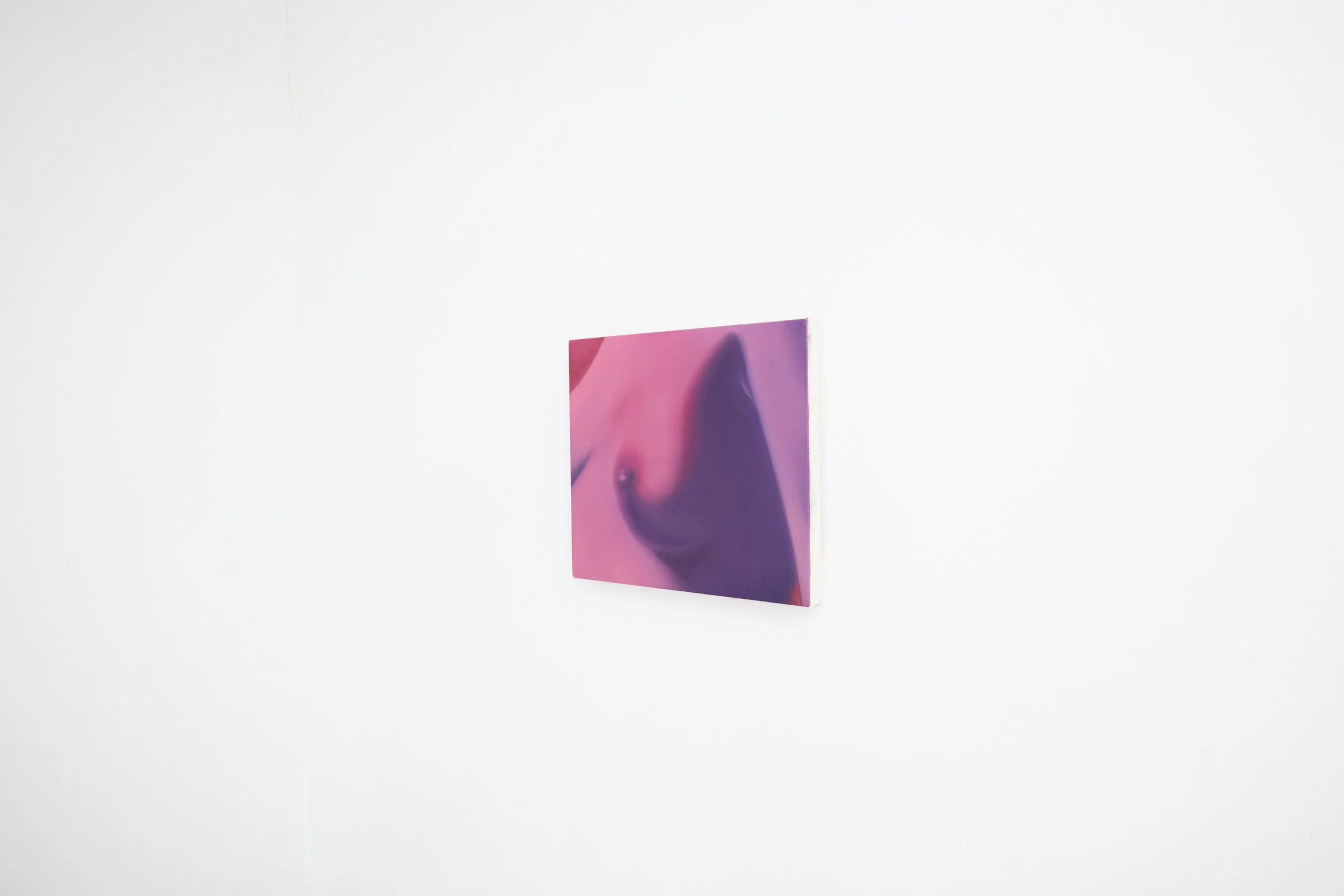
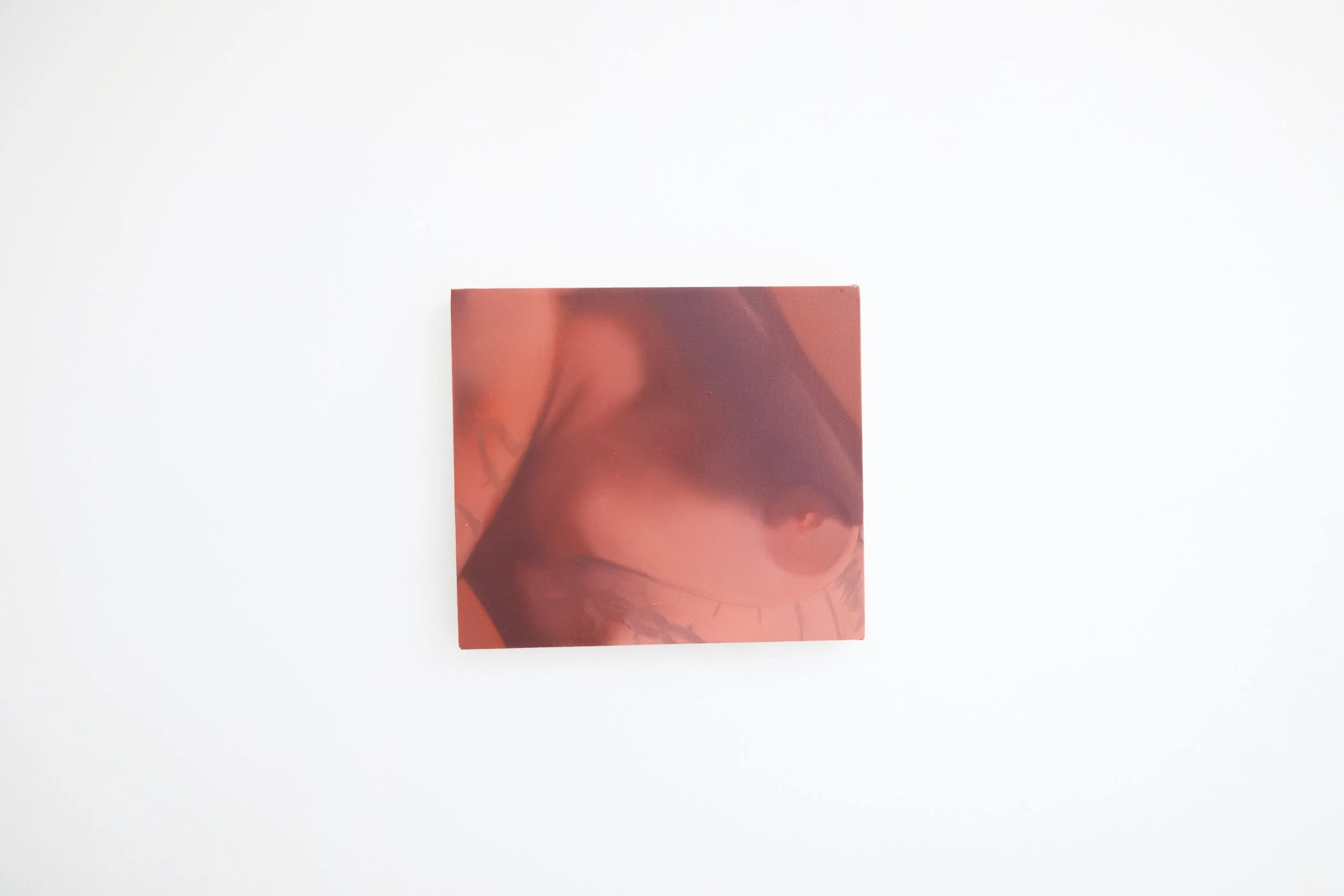
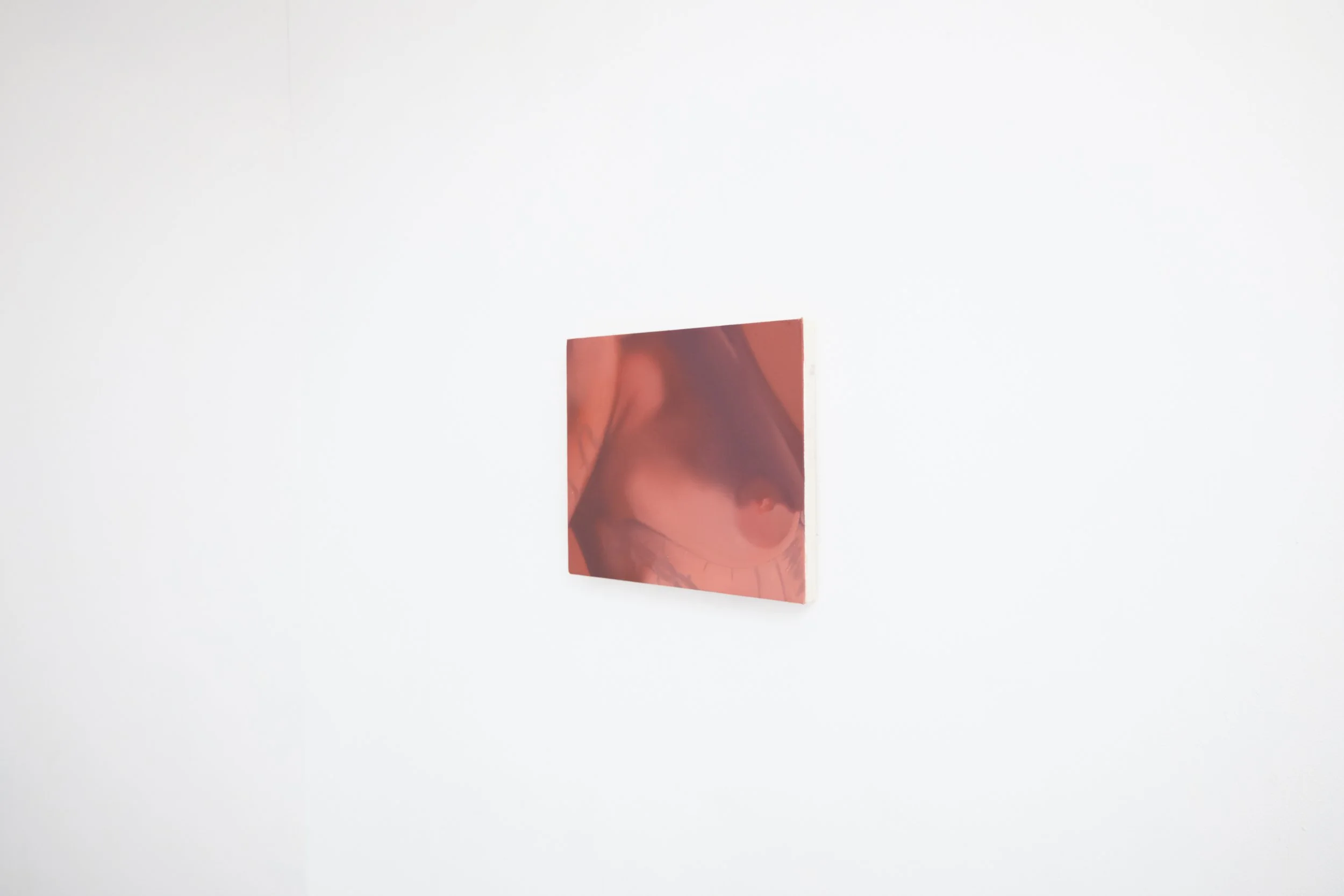
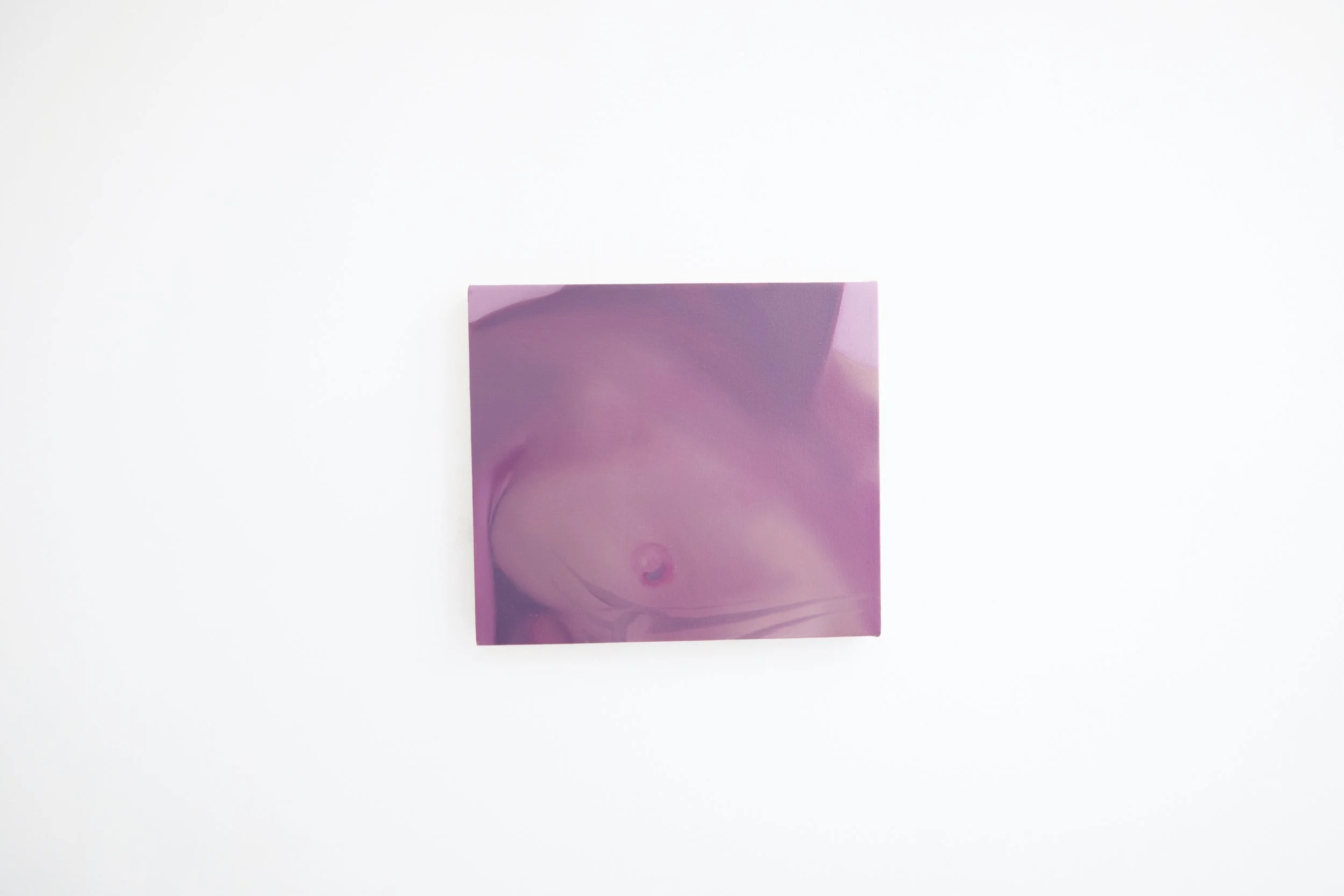
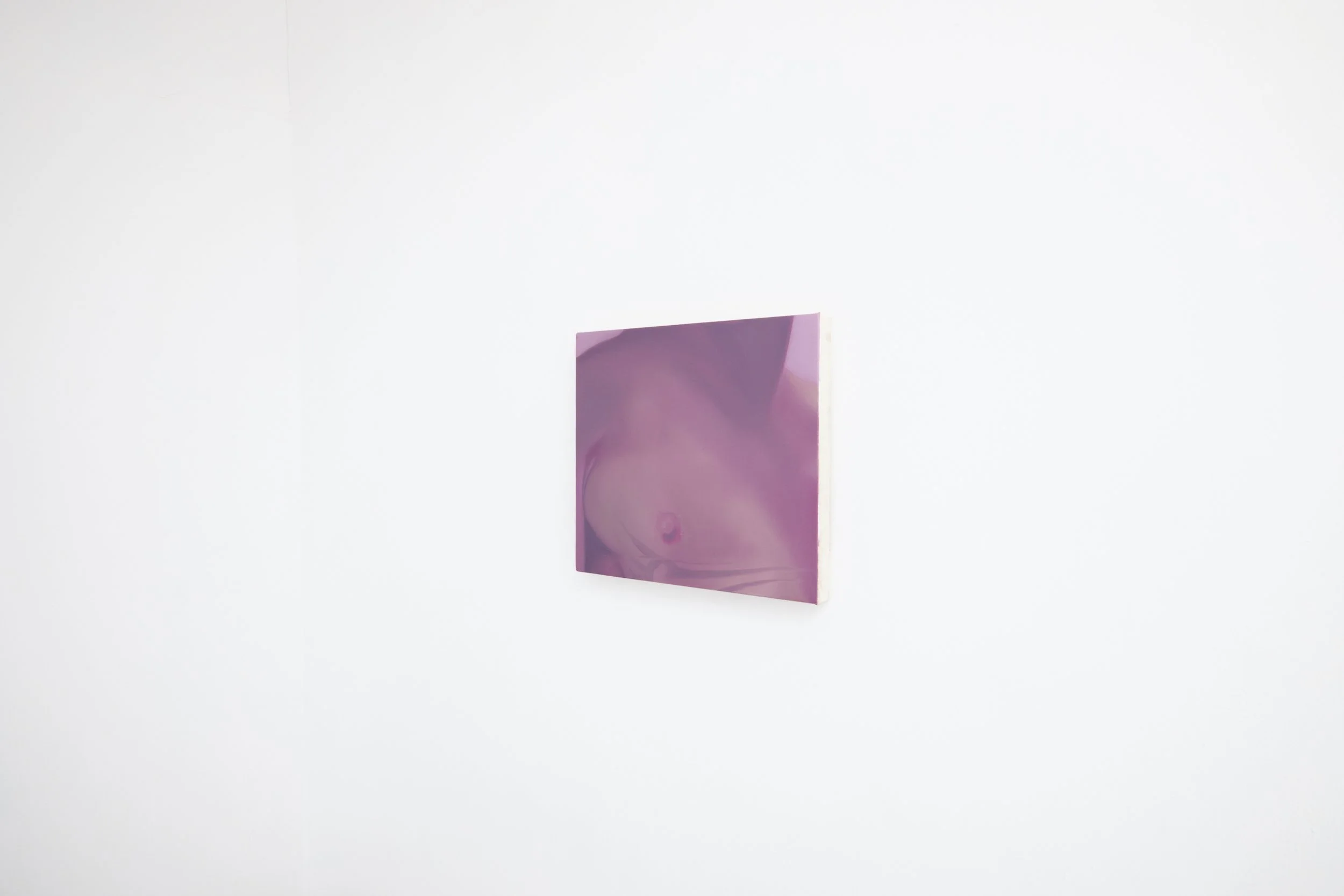
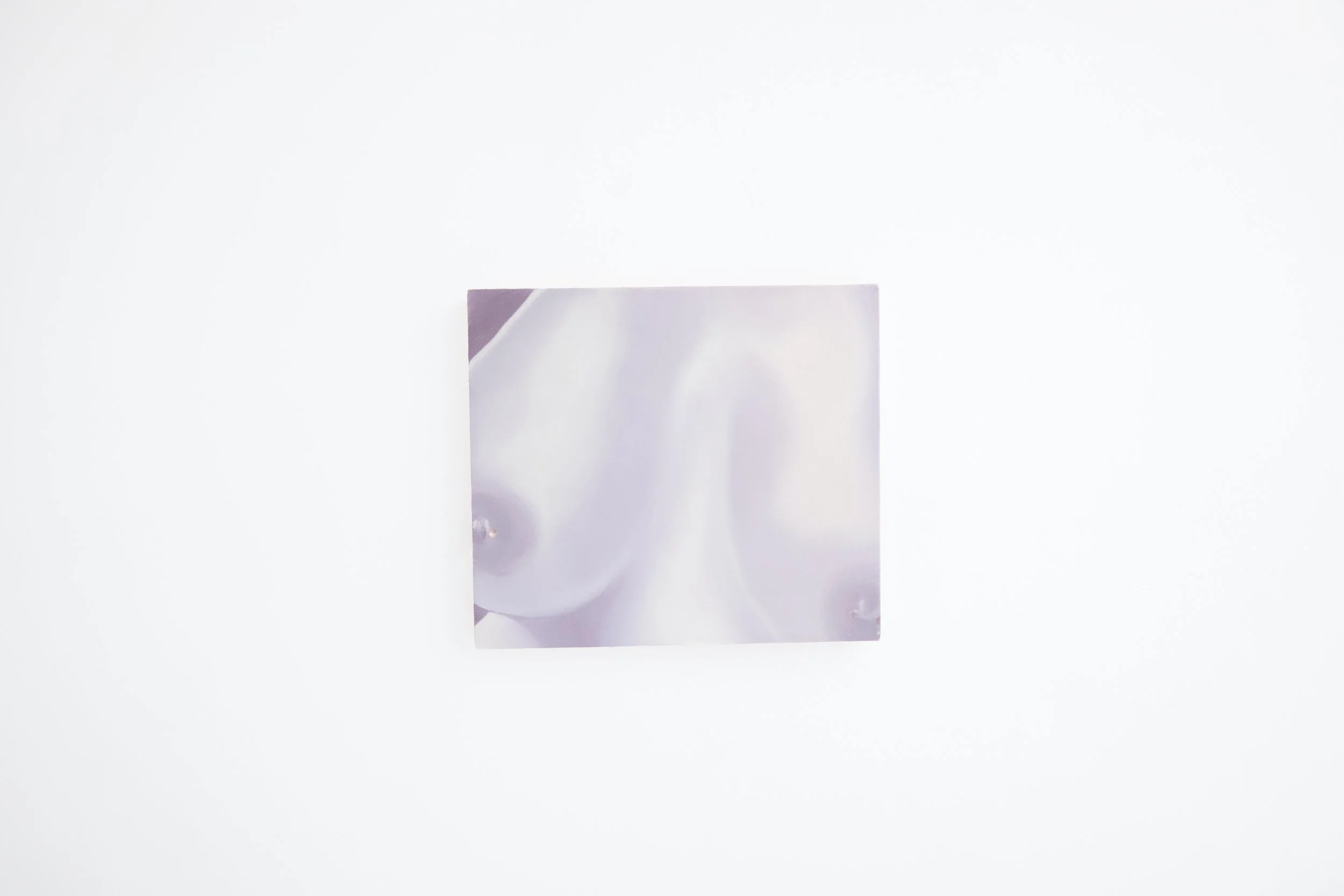
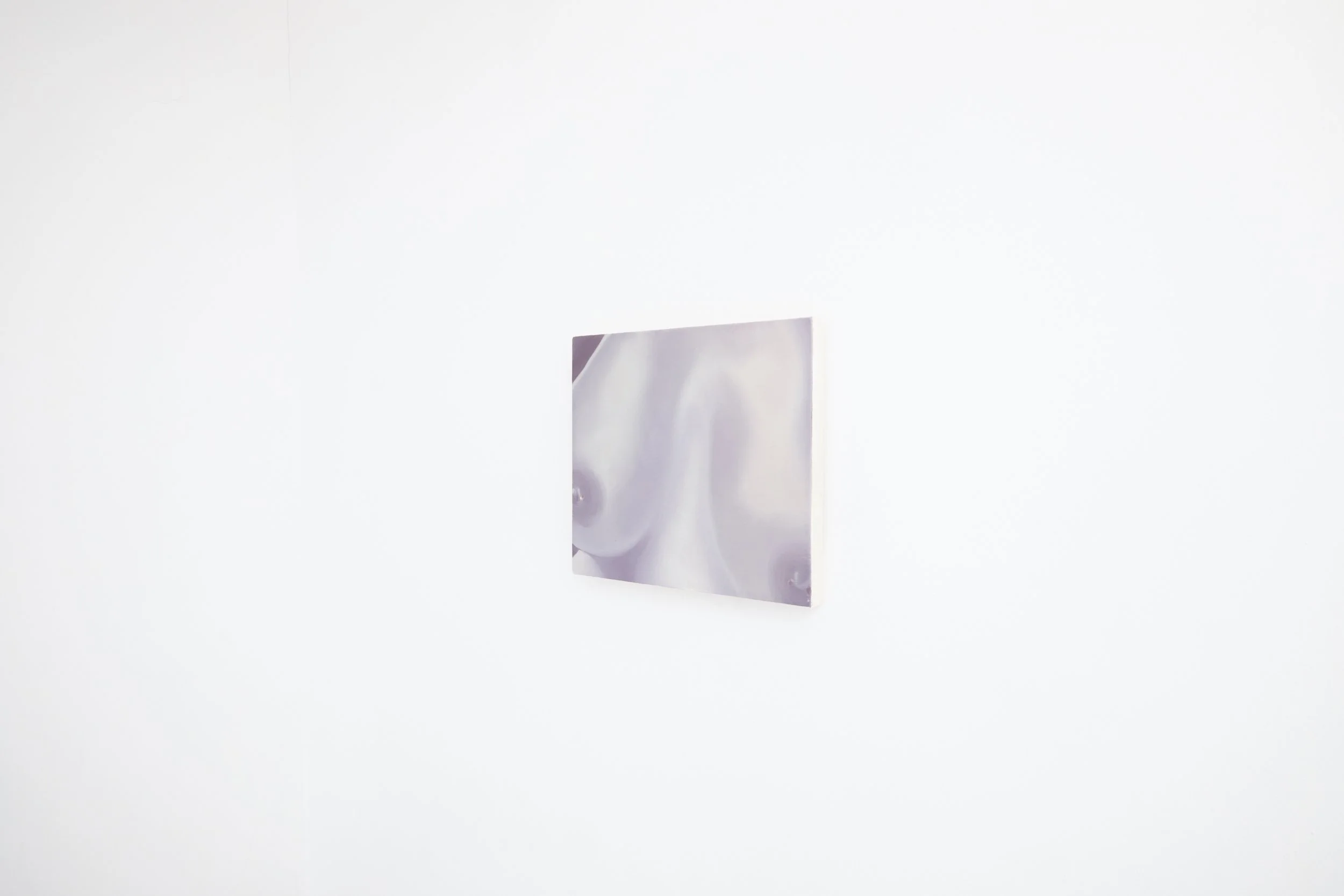
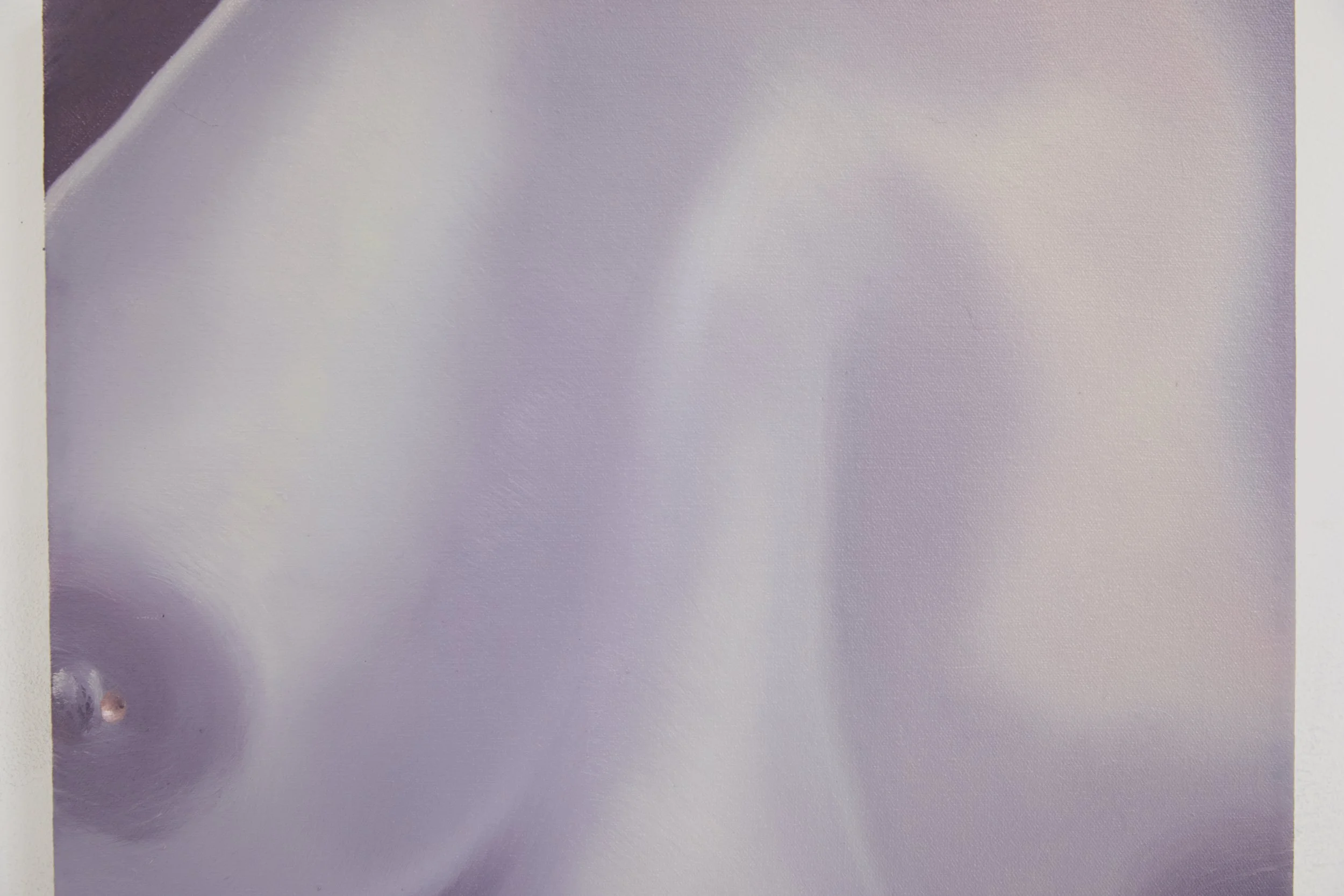
I still don’t know why humans dance. Kant says that beauty, like human life itself, is inherently purposeless—it doesn’t exist to carry out a goal, but simply to be. Beauty will have no purpose, but still have “purposive” or indirect effects in the world, such as the pleasure we get from it. Is that why humans dance, then? Dance is the human body’s most purposeless activity, which is what raving is at its core: its aggressively non-productive mode, its expenditure of excess. The opposite of labor. Raving preceded capitalism. Dating back to the shamanic rituals during the Upper Paleolithic transition, when homo sapiens would take mind-altering substances, dance for hours, engage in sleep deprivation. Raving has always been inextricable to what distinguishes humans from animals and machines.
Italo-Bosnian artist Adelisa Selimbašić found each of the models for her paintings by watching them dance. She might be at Basement or Nowadays, spotting them across the fog machine at five or eight on a Sunday morning. Sexual attraction has something to do with it, but that isn’t the whole story. Like, I don’t really buy the evolutionary biological explanation that people dance as a mating ritual. In Freud’s early drafts for Three Essays on the Theory of Sexuality, we can see him sketching out an idea of “infantile sexuality,” before a child learns anything about procreation. Infant sexuality isn’t organized according to genitals or gender, but distributed across the skin’s surface and fixated on specific body parts. This suggests that human sexuality arrives as queer and fetishistic before it does evolutionarily or biologically. It is like how Kant describes how humans look at flowers: we may or may not know that its petals and stamen are for pollination, but that has nothing to do with why we find it beautiful. Which is to say there’s something queer about the perception of beauty: perverse without purpose.
To dance at the rave is to be free from labor, free from identity, to be but beautiful: useless. The rave site is a temporary autonomous pleasure zone, often happening at strange hours, or in appropriated warehouse spaces, legal only occasionally. The body is gratified at all five senses, made whole again. Unbound by utility, the dancing body is, absolutely, anything you want it to be.
—Geoffrey Mak, April 2026.
Adelisa Selimbašić (b. 1996) is an Italian-Bosnian artist living and working in New York. In 2021, she graduated from the Venice Academy of Fine Arts with a Master’s in Painting. Her pictorial research aims to imagine a world in which the sense of inadequacy does not exist, opening to a nonconventional perception of the body. Through scenes drawn from everyday life and an essential figurative approach, the artist reinterprets the idea of femininity, focusing on the complexities of human experience, desire, tension, and the need for physical contact. Her practice is based on a dense and almost tactile painterly presence, achieved through careful manipulation of color: working with a contained palette, Selimbašić mixes pigments directly on the canvas, allowing the tones to meet and transform, pushing toward a plasticity that challenges traditional representations of the female body. In recent years, she has presented numerous solo exhibitions in institutional and international gallery contexts.
Rebis Rebis is a creative studio founded by Delfina Pattacini and Gaddo Amunni, dedicated to supporting and promoting artistic research across international contexts. Our mission is to offer a thoughtful and nuanced approach to art sourcing, spanning Old Masters, Post-War, and Contemporary practices, while developing meaningful exhibitions and supporting printed matter as an essential extension of artistic discourse. Based between New York, Paris, and Milan, the studio operates with a transnational perspective. Delfina Pattacini brings experience from Independent Art Fair, the Center for Italian Modern Art Foundation, Richard Taittinger Gallery, and Kim Heirston Art Advisory. Gaddo Amunni, an art historian specialized in Caravaggesque painting, has worked with several prominent private collections in Italy.